
Google Ads for restaurants help display when customers find out about the food you eat at the exact moment they are ready to order or visit. People no longer scroll endlessly on social media when they want food. They search on Google. They want fast answers. They want nearby options. They want clear menus and easy ordering.
Restaurants that rely only on foot traffic or delivery apps lose control over margins. Google restaurant advertising gives restaurants direct visibility and direct customers. That makes it one of the powerful paid platforms in 2026.
This is a guide for you to understand how Google Ads for restaurants work, how to set them up correctly, and how to turn clicks into real orders.
Do Google Ads Work for Restaurants?
Yes. Google Ads work for restaurants when campaigns are structured correctly. Restaurants see results because searches are location-based and time-sensitive.
Google Ads for restaurants perform best when:
- Ads target nearby customers
- Menus and offers are clear
- Ordering or directions are one click away
Restaurants test and optimize consistently and see fast growth.
Benefits of Google Ads for Restaurants
Google Ads gives restaurants control. You choose when ads run. You choose where they appear. You decide what customers see.
Key benefits include faster visibility, predictable traffic, and measurable results. Unlike flyers or billboards, ads for restaurant campaigns show clear data.
Set Up Google Ads for Your Restaurant
Starting Google Ads without planning leads to wasted spend. Restaurants need structure.
How to Choose the Correct Campaign Type
Search campaigns work best for most restaurants. These ads capture intent when users search for food nearby.
Local campaigns also perform well. Google local service ads for restaurants help drive foot traffic and map visits.
For delivery-focused brands, Google Ads for restaurants app traffic campaigns can push users directly to ordering platforms.
Google Ad Terms You’ll Need to Know
Need to know about basics helps decision-making. Terms like CPC, CTR, impressions, and conversions matter. They show what works and what does not. Restaurant owners do not need to master everything. They need clear reporting and expert guidance.
Developing Effective Google Ads for Restaurants
Success depends on relevance. Ads must match customer need moments.
How to Select Target Keywords for Your Restaurant
Keyword selection decides success. Broad keywords waste money. Intent-based keywords convert.
Examples include:
- restaurant near me
- best burger in specific city
- Halal food is open now
These searches show readiness to act.
Write Compelling Ad Copy for Restaurant Ads
Ad copy should be simple. Short sentences work best. Focus on food, location, and urgency. Mention popular dishes. Mention fast service. Mention convenience. Avoid fluff content.
The Importance of Ad Extensions
Ad extensions improve visibility and trust. Call buttons, location info, and menu links increase clicks. Google restaurant advertising performs better when ads offer clear next steps.
Use Geo-Targeting to Reach the Right Audience
Restaurants serve specific areas. Geo targeting help out ensures ads show only to nearby users. That protects the budget and improves results.
How Much Should a Restaurant Spend on Google Ads?
Budgets depend on location and competition. Small restaurants can start modestly. Scaling follows results. The key is testing. Not overspending.
Understand Bidding Strategies
Manual bidding offers control early. Automated bidding works later once the data is clean. Restaurants should avoid aggressive bidding without performance tracking.
Monitor and Optimizing Ad Spend
Daily monitoring prevents waste. Weekly adjustments improve results, and monthly reviews guide scaling. A Google Ads campaign for restaurant success depends on active management.
Analyzing and Optimizing Performance
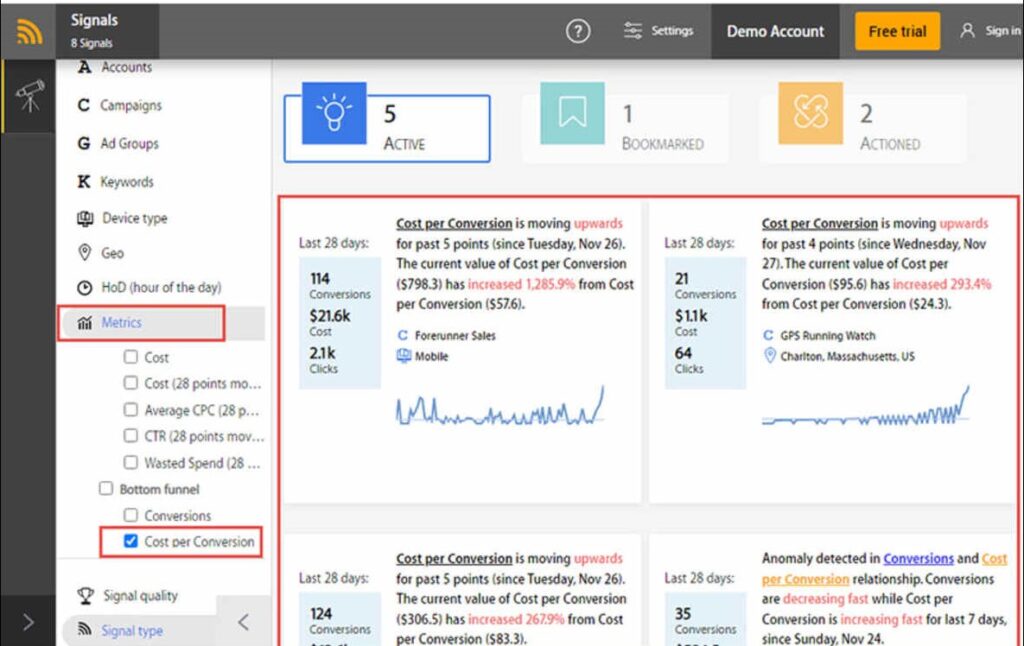
Analytics show what customers respond to. Clicks alone do not matter. Orders do. Track calls, directions, and online orders. Remove poor keywords. Scale winning ads. Optimization turns Google Ads from an expense into an investment.
Why Restaurants Should Use Google Ads in 2026
The restaurant industry competition is continually increasing. New restaurants open every month. Established brands invest more in digital marketing. Standing out has become a more competitive market than ever. Delivery apps now charge high commissions. Those fees reduce profit on every order. Restaurants lose direct access to customer data.
They depend on third-party platforms that control visibility and pricing. This limits long-term growth and flexibility. Organic reach has also declined. Social media posts reach fewer people without paid promotion.
Visibility cannot be switched on instantly when demand is highest. Google Ads solves these problems. Google Ads for restaurants places your business in front of customers who are actively searching for food right now. You control when ads run. You control the message. You direct customers to your menu, website, or ordering system.
Ownership matters in 2026. Google Ads allow restaurants to build a direct customer pipeline. You collect call data, website visits, and order information. You are not locked into platform rules or rising commissions. That control creates stability and supports long-term growth.
Restaurants that invest in Google Ads stay visible, independent, and competitive even as the market becomes more crowded.
Google Ads Strategies for Restaurants
Restaurants that succeed with Google Ads focus on relevance, timing, and intent. The goal is not more clicks. The goal is more orders, visits, and repeat customers. Below are proven strategies that directly match how people search for food.
Target local searches aggressively
Focus on keywords that include location and intent. Searches like “restaurant near me,” “best burger in a nearby city” or “food restaurant open now” bring customers who are ready to act. Exact location targeting prevents wasted spend and improves conversion rates.
Run ads during peak hunger hours.
Timetable of ads for lunch, dinner, late night, and weekends. People search when they are hungry. Showing ads during off-hours lowers performance. Smart scheduling increases orders without increasing the budget.
Separate dine-in, takeaway, and delivery ads
Each service has a different intent. Dine-in customers want ambience and location. Takeaway customers wish to speed. Delivery customers want convenience. Separate campaigns improve relevance and lower cost per order.
Use clear, action-driven ad copy.
Highlight popular dishes, fast service, and easy ordering. Short, direct messages perform best. Urgency works well for food ads.
Use ad extensions for quick decisions.
Add call buttons, location info, menu links, and directions. These reduce friction and help customers act immediately.
Retarget past visitors and order viewers.
Show ads to past users who visited your menu or started an order but did not complete it. The retarget process brings back high-intent users at a lower cost.
Optimize for mobile users first.
Most restaurant searches happen on mobile. Ads and landing pages must load fast and make order or call easy for customers. Small adjustments compound over time. Better timing, better targeting, and clearer messaging turn Google Ads into a reliable growth channel for restaurants.
Stand in a Crowded Market with Google Ads
Most restaurants run generic ads. Few optimize continuously. That creates opportunity. E-Commerce Planners helps restaurants build profitable Google Ads systems. We focus on real orders, not clicks. We design campaigns that match how people actually search for food.
Final Thoughts
Google Ads for restaurants are no longer optional. They are essential for visibility, growth, and independence from third-party platforms. If you want more orders, more visits, and better margins, expert strategy matters.
Book a free strategy call with E-Commerce Planners today and learn how our Google Ads for restaurants can drive consistent growth.

