

AI SEO Optimization in Lahore: Rank Higher on Google in 2026
Master AI SEO optimization in Lahore. Boost your search rankings in 2026 with expert strategies from Ecommerce Planners. Learn how to rank higher today!

Broken Link Building Outreach Strategy for Lahore Brands
Master the broken link building outreach strategy to boost SEO. Learn how Lahore-based Ecommerce Planners helps brands fix dead links and earn high rankings.

TikTok Ads vs Meta Ads Cost Comparison Lahore
Wondering about the TikTok Ads vs Meta Ads cost comparison? Compare CPM, CPC, and ROI to see which platform helps Lahore e-commerce businesses scale profitably.

Google Ads High CPC Low ROI Fix Lahore
Stop overpaying for clicks! Learn the Google Ads high CPC low ROI fix to boost profit margins for your Lahore ecommerce store or service business today.

Fix Google Ads Low Conversion Rate | Lahore PPC Experts
Stop wasting budget! Learn how to fix Google Ads low conversion rate with our Lahore expert guide. Improve your landing pages and win more leads today.
Amazon Brand Registry: How It Protects Your Brand and Helps You Grow
Amazon Brand Registry enables eligible brand owners to manage their brands on Amazon better. The program links a brand with its trademark so Amazon can correctly identify the rightful owner’s rights. Additionally, it offers the use of brand protection, product, editorial, and content creation tools as well as analytics. A well-established brand can guide customers to make informed product decisions and identify the brand effortlessly. An experienced Ecommerce planner would work with businesses to refine their e-commerce and their online positioning. According to the company, with the Amazon Brand, owners not only get protection, but also features like the A+ Content page, Brand Store, or even Brand Analytics. A thorough Brand Registry setup is not just protective for your brand, but it can also help you achieve a much stronger presence on Amazon that will allow you to grow faster in the long term.
What Is Amazon Brand Registry and How Does It Work?
Amazon Brand Registry is a program designed for eligible trademark owners who sell products on Amazon. The main purpose is to help protect brand information and give approved brands access to useful tools. The process starts with trademark details and brand information. First of all, the Amazon team will double-check the accuracy of the information you supplied and determine whether or not you are in fact the rights holder of the brand. If Amazon gives their go-ahead, then the rights owner will be able to utilize the available brand protection and marketing features of the Amazon Brand Registry via the account.
Besides that, if online visibility is something your business is after, Google SEO Services might be something to consider as a great tool to help get you there. Ahead of time, we mentioned that Amazon makes use of automatic detection systems to identify potential intellectual property conflicts. Eligible rightsholders can use Amazon tools for reporting suspected violations. Brand Registry also offers such features as A+ Content and Brand Stores that will help your product pages look even better.
Amazon Brand Registry Requirements: What You Need to Know
Amazon Brand Registry requirements primarily concern brand ownership, brand information, and product details. A registered trademark or a qualifying pending trademark application is usually the basic requirement to sign up. A trademark will only be recognized if it is the trademark of the applicant. Your product or service’s name should be the same as your registered trademark in every detail. Amazon SEO Services can help businesses further their Amazon presence and product discovery through several means. In some cases, Amazon may require pictures of the product or its packaging to clearly display the trademark. It should be impossible to move or take off the trademark without damaging the product. For instance, stickers or tags that can be easily removed will probably not satisfy this requirement. It is also important to have correct trademark information. An invalid trademark registration number or a brand name that doesn’t match that of the trademark may result in delays during the review stage.
How to Create an Amazon Brand Registry Account
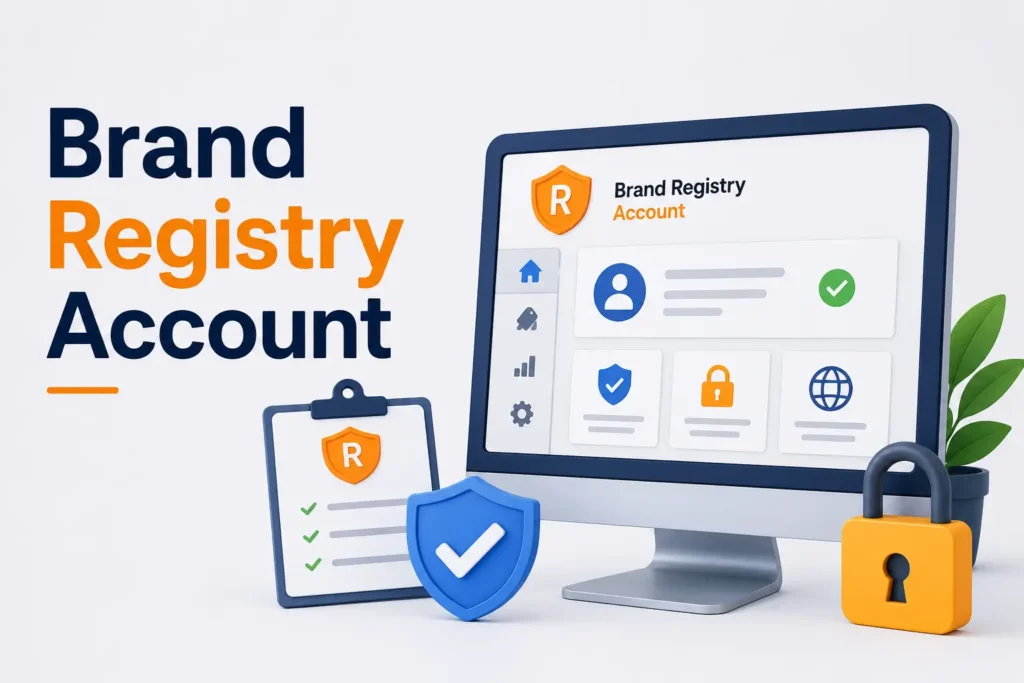
Creating an Amazon Brand Registry account starts through the official Amazon Brand Registry portal. An existing Seller Central or Vendor Central login can normally provide access to the registration process. The application requires the brand name and trademark information. Details about the trademark office and registration or application number may also be required. Product category information and product or packaging photographs can form part of the application. Amazon then reviews the submitted information and may contact a public trademark contact for verification. A verification code can also be required. Careful review before submission can reduce mistakes. After approval, the Amazon Brand Registry account can provide access to eligible brand tools.
How to Check Your Amazon Brand Registry Status
The Amazon Brand Registry status can be checked through the Brand Registry account. Amazon provides an area where submitted applications can be reviewed. An application can remain under review while Amazon verifies trademark and brand information. A pending status does not always mean that an application has a problem. Amazon may request additional information during the review. Regular account checks can help identify such requests quickly. A rejected application should be reviewed carefully because Amazon normally provides information about the issue. Trademark details, brand names, ownership information, and product images should receive close attention. Correct information can help resolve problems and support another submission when Amazon allows it.
How Amazon Brand Registry Protects Your Brand
Amazon Brand Registry provides tools that can help protect a brand from suspected intellectual property misuse. Amazon uses automated systems to identify possible problems with brand information and product listings. Eligible rights owners can also use the Report a Violation tool to report suspected trademark or intellectual property violations. Accurate brand information can help Amazon connect products with the correct brand owner. Brand protection can become more important as a product catalog grows. Amazon also provides programs such as Transparency and Project Zero for eligible brands that meet the required conditions. Brand Registry does not remove every risk, so regular listing checks and proper reporting remain useful parts of brand management.
Key Benefits for Sellers
Amazon Brand Registry can provide several useful features for eligible sellers. A+ Content can help improve product pages with richer images, product details, comparison sections, and other content options. Amazon also reports that Premium A+ Content can increase sales by up to 20 percent. Results can vary based on product demand and listing quality. Brand Stores can create a dedicated space for products from the same brand. Brand Analytics can provide information about customer search and purchase activity. Sponsored Brands can also support brand promotion through eligible Amazon advertising campaigns.
How It Can Help Increase Sales
Amazon Brand Registry does not guarantee higher sales because sales depend on many factors. Product demand, listing quality, reviews, inventory, advertising, and customer experience can all affect results. Brand Registry can still support sales through its available tools. A+ Content can present product features in a clearer format. Brand Stores can help shoppers view more products from the same brand. Brand Analytics can provide useful information about shopper behavior and search activity. Brand protection can also reduce confusion caused by incorrect brand information or unauthorized changes. A clear brand identity can support shopper trust. Better content and stronger brand control can help create a more complete Amazon shopping experience.
Common Problems and How to Solve Them
Common Amazon Brand Registry problems often relate to incorrect information or missing verification. A brand name that does not match the trademark record can cause an application issue. Product photographs can also create problems if the brand name or logo is not clearly visible on the actual product or packaging. Trademark ownership must also be correct because the application should come from the proper rights owner. Rejection can occur when Amazon cannot verify important details. The rejection reason should receive careful attention before another submission. Account access can create problems when several users manage one brand. Proper user roles can help keep account access organized and secure.
Is Amazon Brand Registry Worth It for Your Business?
Amazon Brand Registry can be useful for businesses that own an eligible trademark and want to build a stronger presence on Amazon. The program gives eligible brands access to protection tools and features that can support product content, brand promotion, and customer research. A+ Content can improve product information, while Brand Stores can create a dedicated brand shopping area. Brand Analytics can provide useful data for better decisions. Brand Registry can also help protect trademarks and other intellectual property. The program works best as part of a wider Amazon strategy. Strong listings, quality images, useful content, good customer service, inventory control, and effective advertising still matter.
Final Thoughts
Amazon Brand Registry aims to assist eligible brand owners with safeguarding their brand identities along with intellectual property rights and also developing a more significant brand presence on Amazon. Initially, it involves providing correct trademark data and registering in the right way. If approved, you’ll open up the Amazon Brand Registry tools for your company, including A+ Content, Brand Stores, Brand Analytics, Sponsored Brands, and various brand protection mechanisms. Frequent monitoring and checking will keep you informed about any issues related to a product listing or infringement of intellectual property rights. A wise combination of Brand Registry and other tactics such as listing optimization, advertising, inventory management, and customer service will surely lead towards a great result. Businesses that need help with Amazon Brand Registry requirements, enrollment, Amazon Brand Registry status, or Amazon Brand Registry account management can contact Ecommerce Planners for a free consultation. Our team can help you understand the process, identify potential issues, and determine the right next steps for your Amazon brand.
Google Ads Consultant in Pakistan: How to Get More Leads and Sales in 2026
Google Ads can help businesses reach people who search for products and services online. A Google Ads Consultant in Pakistan can create a clear plan for paid advertising. The process can include keyword research, ad setup, campaign management, conversion tracking, and regular account checks. Google Ads offers Search, Shopping, Video, Display, and Performance Max campaigns. Each option can support a different business goal. A good campaign should focus on relevant searches and useful customer actions. Strong ad copy can improve message clarity. A suitable landing page can support better results. Accurate tracking can also show which campaigns bring leads and sales.
Why Hire a Google Ads Consultant in Pakistan?
An experienced Google Ads Consultant in Pakistan is someone who can be entrusted with all or different facets of the Google Ads account. Keyword research can help to identify the search terms related to products and services. Campaign setup is about placing the right keywords with the corresponding ads into suitable ad groups. Ad copy, on the other hand, is the means to provide readers with an understanding of the product offer. Social Media ads can also support Google Ads campaigns by increasing brand awareness and helping businesses reach a wider audience across different digital platforms.
The use of negative keywords is another useful practice to filter out traffic from irrelevant or unrelated subjects. Google Ads PPC Services can also help businesses manage and improve their paid search campaigns. The conversion tracking feature is another powerful tool to identify and highlight such precious actions as calls, form submissions, purchases, and sign-ups.
What Does a Google Ads Consultant Do?
A Google Ads Consultant can handle the main tasks needed for a successful Google Ads campaign. Keyword research helps find useful search terms. Campaign planning helps create a clear account structure. Ad writing helps create simple and relevant messages. Landing page checks help make sure the page matches the ad. Conversion tracking helps measure important actions after an ad click. Account reviews can also show weak areas. A Google Ads Consultant in Pakistan can check search terms, ad results, conversion data, and campaign settings. Regular checks can help reduce wasted traffic. Clear reports can also help explain campaign results in simple language.
How Google Ads Can Help Generate More Leads and Sales
Google Ads can reach people who already search for a product or service. Search ads can appear when a related term is entered into Google. Such traffic can have strong value because the search shows an active interest. A Google Ads Consultant can select keywords based on search intent. Service campaigns can focus on lead generation. Product campaigns can focus on sales. Landing pages can also support better results when the page matches the ad message. Conversion tracking can show calls, forms, purchases, and other actions. A Google Ads Consultant in Pakistan can use conversion data to find strong keywords and improve weak campaign areas.
How a Google Ads Expert Near Me Can Help Grow Your Business
A google ads expert near me can help find professional Google Ads support. A Google Ads Consultant in Pakistan can review an existing account and find areas that need attention. Keyword research can improve search targeting. Ad testing can help find stronger messages. Search term reviews can reduce unrelated traffic. Conversion tracking can show which campaigns create useful actions. Landing page checks can also help improve the path from an ad click to a lead or sale. A professional account review can provide a clear view of campaign performance. Regular management can also help maintain better campaign structure and support long-term advertising goals.
Google Ads Campaign Types for Different Business Goals
Google Ads has different campaign types for different goals. Search campaigns can help reach people who search for services or products. Shopping campaigns can promote products through Google. Video campaigns can reach audiences on YouTube. Display campaigns can show visual ads across websites and apps. Performance Max can reach people across several Google channels. A Google Ads Consultant in Pakistan can select a campaign type based on the main business goal. Lead campaigns can focus on calls and forms. Sales campaigns can focus on purchases. A clear campaign goal can help create better settings, better tracking, and better performance reports.
Google Ad Manager: What It Is and How It Works
Google Ad Manager and Google Ads are basically two very different things. On one hand, Google Ads is aimed at advertisers who want to promote their products online. However, on the other hand, Ad Manager is meant for publishers to handle their advertising space across websites, apps, games and video content. Ad Manager is capable of serving ad inventory, direct deals, third-party ad networks besides providing in-depth reports. Google offers various advertising tools for publishers with varying needs. Knowing the difference between such platforms can save one a lot of trouble and help one’s advertising management be more effective.
Google AdSense Login: How to Access Your Account
The first step to login to Google AdSense is the official Google AdSense website. The account owner could also be using the Google Account that has been connected to Google Adsense. The right email and password are necessary to access one’s account. There might be a case when Google adds another layer of security. AdSense should not be mixed up with Google Ads. AdSense is for verified publishers who put up ads on their content and get a cut of the advertisement revenue. On the contrary, Google Ads is the service businesses use for promoting their products/services via advertising.
Besides the Google AdSense Consultants in Pakistan, other consultants could also help you understand the difference between both services and guide you as to how either platform could be best for your business requirements. On the AdSense dashboard you can go through sections related to advertising, websites, payments, user accounts, and others. For a business that is engaged in Google SEO too, it is important to know how organic search and paid advertising complement each other. Always perform a secure login via an official Google service.
How to Measure Google Ads Performance and ROI
It would make sense for Google Ads to mainly look at business outcomes. While clicks and impressions indicate traffic, conversion data can shed light on deeper aspects.
Google Ads will give you detailed analytics like:
- Clicks
- Impressions
- Click-through rate
- Conversions
- Conversion rate
- Conversion value
- Return on ad spend
A conversion tracking will allow the ads to monitor activities like making calls, forms getting filled out, purchasing, and signups. This can be a great step to make your business goals match with online campaigns. ROI can also help show the value created through advertising. A Google Ads Consultant in Pakistan can review the data and find strong keywords, weak ads, and poor search terms. Regular reports can make campaign results easier to understand and support better future decisions.
Final Thoughts
A Google Ads Consultant in Pakistan can help create a clear plan for paid advertising. Good keyword research can help reach relevant searches. Clear ad copy can improve the message. Suitable landing pages can support more conversions. Accurate tracking can show which campaigns create useful results. Ads also provides several campaign types for different business goals. Search can support lead generation. Shopping can support product sales. Video can support brand promotion. Performance Max can reach audiences across several Google channels. Regular account reviews can help improve campaign quality. Professional support can also make Google Ads management easier. Contact the team for more details and get a free Google Ads consultation to discuss the right approach for your business.

8 Amazon Listing Optimization Tips to Get More Clicks, Conversions, and sales
Amazon sellers need a strong product listing to attract shoppers and increase sales. A clear listing can help shoppers understand the product quickly. A well-structured listing can also help Amazon match the product with relevant searches. Product titles, descriptions, images, and search terms all have a role in listing quality. Effective listing optimization can strengthen search relevance and give shoppers clearer information when evaluating a product. A better listing can also give shoppers the information needed before a purchase. The main goal is simple. The product should appear for relevant searches and present clear reasons to buy. Amazon PPC Services can help bring relevant shoppers to optimized product listings.
Amazon Listing Optimization: Optimize Products for Better Rankings & Sales
Amazon listing optimization refers to the techniques employed to make sellers’ Amazon products show up in more shopper searches (i.e., increase visibility), appeal to more customers (get more shoppers), and, finally, result in more purchases. By making a product better looking and more attractive to customers through titles, descriptions, images, and keywords, along with making sure that product information is up to date, sellers can make their listings rank higher on Amazon. A data-based strategy can also pinpoint ways to improve rankings, clicks, customer engagement, and overall sales performance. For businesses looking to strengthen their overall online presence, Social Media Marketing Services can complement Amazon listing optimization efforts.
1. Use Amazon Listing Optimization AI to Improve Your Product Content
Amazon listing optimization AI can help improve product content and save time during the content review process. AI tools can suggest product titles, descriptions, keywords, and other listing content based on product details. AI can also help find repeated words or missing information. It can review content structure and suggest clearer wording. However, product information still needs manual review. Product details must remain correct and match the actual item.
Amazon also provides AI features for eligible sellers. Amazon states that its AI tools can help create product titles, descriptions, and other content from product information. Sellers can review the content before submission. A strong process starts with accurate product information. The content should include the correct product name, size, material, color, features, and main benefits. AI can then help improve the structure and readability.
2. Apply Amazon SEO Optimization to Boost Product Visibility
Amazon SEO optimization helps products reach relevant searches. Search terms give Amazon information about a product. Relevant keywords can help connect a listing with shoppers who search for similar products. Keyword research should start with the main product term. Related search terms should then be identified based on product relevance. Product features can also provide useful keyword ideas.
A good keyword plan should focus on relevance. High search volume does not always mean better results. A keyword can bring traffic but fail to bring buyers if it does not match the product. Important keywords should appear in natural positions within the product content. Product descriptions and backend search terms can also support keyword coverage. Amazon recommends relevant keywords and warns against keyword stuffing. Natural content gives shoppers a better reading experience. It also keeps the listing focused on the product.
3. Choose the Right Amazon Listing Optimizer for Better Conversions
An Amazon listing optimizer can help review different parts of a product page. A useful tool can check titles, keywords, descriptions, and other content areas. The right tool should provide useful information instead of simple keyword suggestions. It should help identify weak content and possible improvements.
The main product keyword should be reviewed first. The title and product description should then be checked. Backend search terms and product attributes should also receive attention. Conversion data also matters. A listing may receive many views but few purchases. Such a result can point to a problem with product content, images, reviews, or the overall offer.
4. Optimize Product Titles for More Amazon Clicks
A product title creates an early impression in Amazon search results. Shoppers often scan titles before opening a product page. A clear title can help them understand the product faster. A strong title should clearly state what the product is. Important product details such as brand, size, color, material, quantity, or key features can also appear when relevant. The main keyword should appear in a natural position. Repeated keywords and unnecessary promotional words should be avoided.
Amazon recommends clear and concise product titles. Category rules can also affect title requirements. The requirements for the relevant product category should always be reviewed before publication. Good Amazon Listing Optimization Tips focus on clarity first. A shopper should understand the product without reading the full listing.
5. Write Benefit-Focused Amazon Product Descriptions
A product description should explain the product in simple language. It should tell shoppers what the product does and how its features can help them.
Features describe the product. Benefits explain the value of those features.
For example, a water bottle may have double-wall insulation. The benefit can relate to temperature retention. A storage box may have a strong plastic body. The benefit can relate to durability and regular use. The description should stay focused on useful information. Product size, material, color, quantity, compatibility, care instructions, and main features can help shoppers make a better decision.
Amazon recommends informative product descriptions with relevant product details. Accurate information can also reduce confusion after purchase. Exaggerated claims should be avoided. Repeated keywords should also be avoided when they make the description difficult to read. A clear description should support the product title and images. Each part of the listing should present consistent product information.
6. Use High-Quality Images to Strengthen Your Amazon Listing
Product images help shoppers understand what they are buying. A clear image can show product shape, size, material, features, and details. The main image should present the product clearly. Amazon recommends a plain white background for the main product image. The product should also take up most of the image area.
Images should also answer common customer concerns. A shopper may want to know the product size, included items, material, or available features. Image quality can affect the way shoppers view a product page. Clear images can create more confidence. Poor images can make a product look less appealing. Amazon allows sellers to add multiple product images to a listing. The available image space should provide useful product information.
7. Optimize Backend Keywords for Better Amazon Rankings
Backend keywords give Amazon additional search information. Shoppers usually cannot see these terms on the product page. Backend search terms can include relevant synonyms, alternative product names, abbreviations, and search variations. Each term should have a clear connection with the product. Irrelevant keywords should not be added. Random search terms may attract the wrong audience. Such traffic may not lead to sales. Repeated keywords should also be avoided across backend fields when repetition provides no extra value.
Amazon recommends relevant backend search terms and warns against unnecessary repetition. A regular keyword review can also help. Search behavior can change over time. New search terms may become relevant as customer demand changes.
8. Improve Your Listing Based on Performance Data
Listing optimization should continue after publication. Performance data can show which areas need improvement. A listing with strong impressions but few clicks may need a better title or main image. A listing with many clicks but few purchases may need stronger product content or better images. Search visibility and customer actions should be reviewed regularly. Sales data can also help identify areas that need attention. Amazon Brand Analytics provides useful information for eligible brands. Search Query Performance can show search activity and customer actions related to relevant queries.
Testing can also support better decisions. Amazon provides Manage Your Experiments for eligible brands. Sellers can test different versions of titles, images, descriptions, and other content. One clear change should be tested at a time when possible. A focused test can make the result easier to understand.
Final Thoughts
Strong Amazon listing optimization can improve how shoppers find and understand a product. Keyword research can support search visibility. A clear title can improve product understanding. Good images can strengthen customer confidence. A useful description can explain product benefits. Amazon listing optimization AI can help create and review content faster. Amazon SEO optimization can support relevant keyword placement. An Amazon listing optimizer can help identify content gaps and optimization opportunities.
Every listing should focus on accurate information and clear communication. Each part of the product page should support the same goal. Regular listing reviews can help identify new opportunities. Performance data can guide future content changes. Small improvements can create better search relevance and a stronger shopping experience. For a detailed Amazon listing review, keyword research, and content optimization strategy, contact the Ecommerce Planners team for further details.
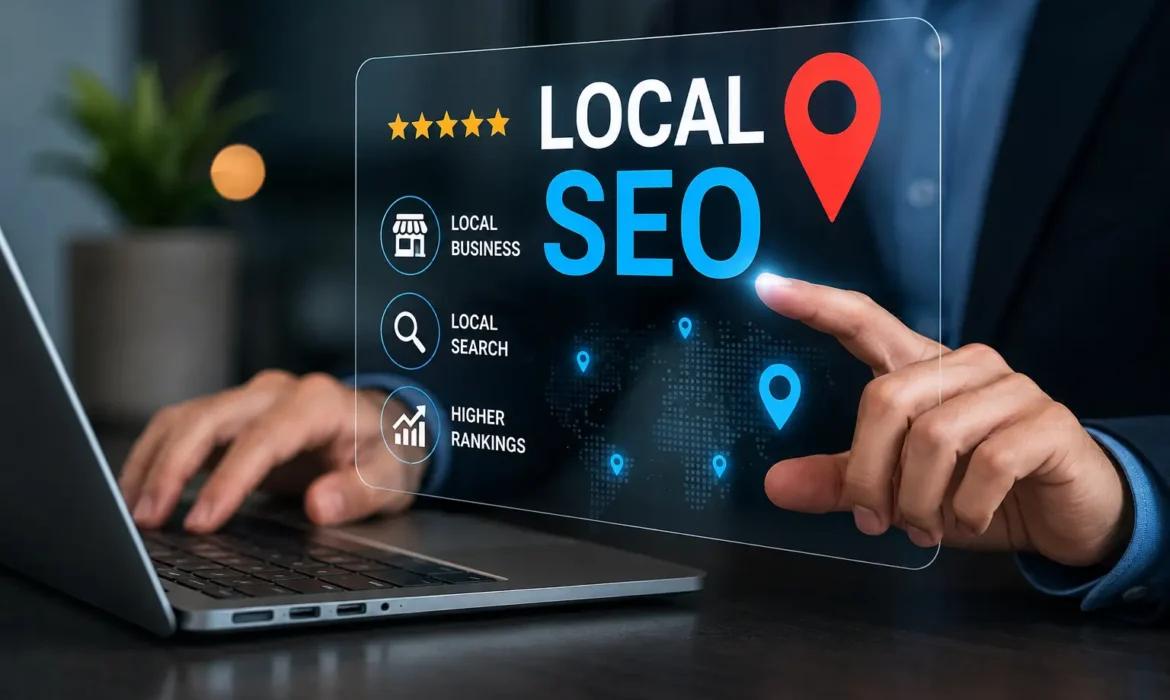
Local SEO Services in Pakistan: How to Get Found by More Local Customers
If you’re the owner of a business in any major city of Pakistan such as Karachi, Lahore, or Islamabad, and you have no idea about it, your customers are probably already looking for your business through various Google search channels. The best part is that your customers don’t realize that they are going to your competitor’s business in the process of searching for your business. This is the point where a local search engine optimization expert comes in handy. Local search optimization basically refers to the process of ensuring that your business is the one to appear in the search results of any locals in the area who are searching for services like yours or products. Ecommerce Planners, for instance, are not the only ones; however, the ones to take into account customers’ behavior in different regions and build SEO campaigns accordingly.
Why Local SEO Matters for Pakistani Businesses
Local SEO is not the same thing as regular SEO aims to place your site or pages on the first few Google result pages for nationwide or even worldwide searches, while local SEO only targets people close enough to visit your store and buy something. So, when someone searches on a phone for a dentist near me or best bakery in Lahore, Google tends to show local results first, and if your business isn’t up to the local SEO standard, you’re literally letting those customers go to whichever competitor did their local SEO!
Mobile search has exploded in Pakistan in the past few years. People are not using desktops now; they stand outside a shop with their phone, checking reviews and directions in real time. Skipping local SEO will render you invisible at that very moment when someone is ready to convert.
Local SEO Services List: What Services Are Included?
A solid local SEO package usually covers a handful of things working together:
- Google Business Profile setup and optimization
- Local keyword research
- On-page SEO for location-specific pages
- Building citations and directory listings
- Getting genuine customer reviews
- Local link building
- Ongoing rank tracking for local terms
None of these do much on their own, honestly. It’s the combination that moves the needle, which is why most business owners end up hiring someone to handle the whole thing rather than piecing it together themselves.
How Local SEO Helps You Reach More Local Customers
Local SEO is a marketing technique that enables your business to attract prospective customers from your locality. People in the vicinity who are looking to buy a product or avail a service are often the potential customers of businesses. The reason is that such buyers have strong intentions to purchase or to make an inquiry.
Most people check for star ratings of a company before choosing a particular business, even if they are not fully aware of the fact. Having an excellent, locally based SEO profile combined with real review comments will help to establish the trust factor very quickly. Ultimately, if you keep doing it, it will be a great help to you: more customers calling, more people walking in, and of course, more sales.
Local SEO Services Near Me: How to Find the Right Provider
The fact is, after checking the Internet for local SEO services near me, many business owners will be surprised to learn that the majority of the work in this regard is usually done remotely, so that the location itself becomes a matter of lesser importance, whereas what really makes the difference is the level of expertise of the company. Search for an expert who has previously done work of this kind with Pakistani business organizations, who will not only share with you the actual case study of a successful campaign but also be able to prove through tangible results instead of just the promises made by them that it was indeed their efforts that helped them get the results, who has a deep understanding of your niche, and who will provide you with a report that you can truly comprehend and not the type of jargon-heavy one that is supposed to look impressive. Amazon SEO Services can also help businesses improve their online visibility and SEO performance. Watch out for the person promising immediate number one rankings. That is usually a red light signal, not a feature to take one for a walk.
Key Local SEO Strategies for Businesses in Pakistan
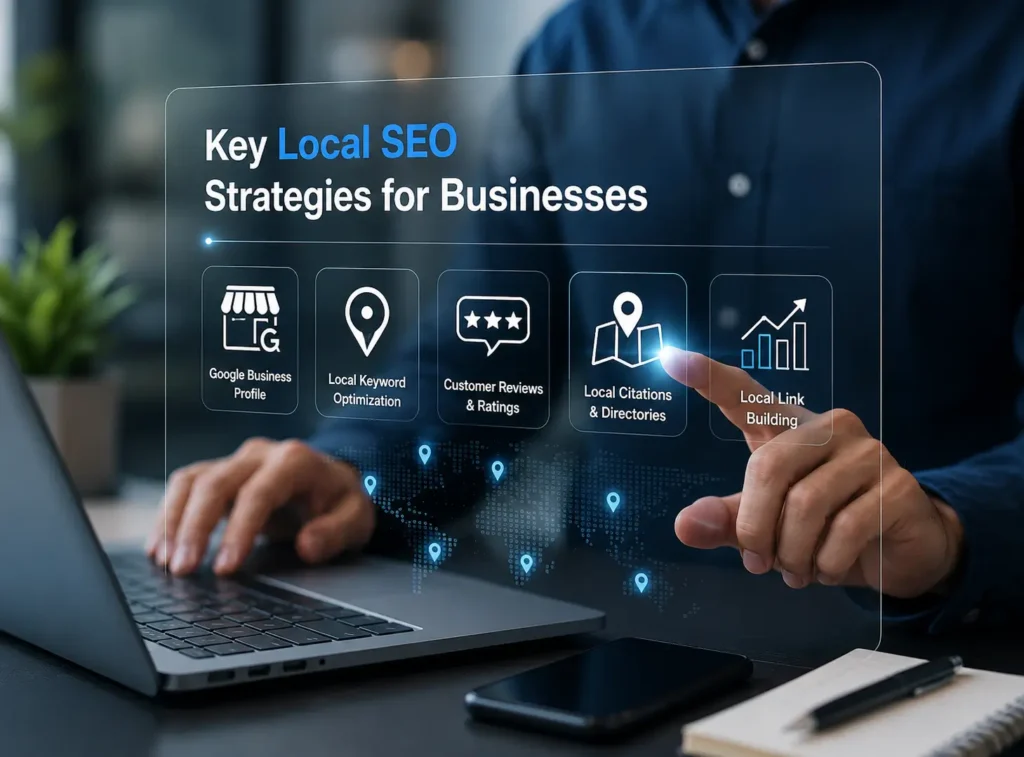
Effective strategy methods that have actually been able to work usually do not function in isolation; instead, they overlap and become a kind of reinforcing element of each other. The very first step is to make sure you have your Google Business Profile information right on point. Next, it’s a matter of naturally incorporating local search terms like in Lahore or in Karachi into the content of your website, getting yourself mentioned in reputable local directories, and requesting reviews from people who have actually enjoyed the service you offered. Putting up location-relevant stuff on the web is also of great use. Moreover, you have the option of drawing links from the content of other Pakistani websites, although that last one is going to be a test of the patience level of the person doing it.
Local SEO Services for Small Business: Why They Matter
Small business owners often assume SEO is a big-company game. It isn’t. If anything, local SEO matters more for smaller operations because they can’t out-advertise the big chains on budget alone. Here’s the thing, though: local SEO levels the playing field in a real way. A small bakery in Gulberg with a properly optimized Google Profile and a stack of genuine five-star reviews can outrank a national chain in local search results. That’s not a theory. It happens constantly. Which makes local SEO one of the more affordable, high-return tools a small business in Pakistan actually has access to.
How to Optimize Your Google Business Profile
Your Google Business Profile carries a lot of weight in local SEO, so it’s worth getting right. Start with accurate, consistent business name, address, and phone number details. Pick the correct category for what you actually do. Add real photos, not stock images, and write a description that reads naturally while still working in a local keyword or two.
Keep your hours updated. Reply to reviews, even the annoying ones. Post the occasional update or offer if you’ve got something worth sharing. Google tends to favor profiles that look alive and active over ones that were set up once and forgotten. For a step-by-step breakdown, Google’s own Business Profile guide walks through the setup process in more detail.
How Local Keywords Improve Your Search Visibility
Keywords that are specific to a locality usually have names of streets, cities, countries, or states included in the search phrase, such as a web development business in Lahore or a digital marketing company in Pakistan. They clearly indicate your location to Google and the kind of customers your site should target. Weave these into your page titles, your body content, your Google Business Profile description, wherever it fits naturally. Doing this also keeps you out of the ring with international businesses chasing the same broad keyword without any location attached.
Building Local Citations and Business Listings
A citation is any spot online where your business name, address, and phone number show up in directories, review platforms, local listing sites, that sort of thing. Google leans on these to verify your business is real and not some fly-by-night operation.
Consistency is the whole game here. If your phone number is listed one way on one site and slightly differently somewhere else, that inconsistency chips away at trust. Worth doing a quick audit every few months just to catch mismatches before they pile up.
How Long Does Local SEO Take to Show Results?
It should be noted that local SEO is not a race to be won in a few weeks. Most companies will have at least a positive response within the space of 3 and 6 months, which depends on the competitive nature of a certain market. For example, cities such as Lahore or Karachi will offer much more resistance when it comes to dominating search results compared to smaller towns where you are likely to face only a few competitors, if any. Local search engines have a tendency to reward good SEO practices continuously once a website has achieved high rankings and a large set of positive reviews. Contrasted with paid advertising, which disappears completely once you stop placing the ads, local SEO is like an engine that will keep quietly running even after you make all the work for the initial phase.
How to Choose the Best Local SEO Services in Pakistan
Find a provider who can actually demonstrate real work results and real client feedback, not only a presentation with a logo on it. They should not confuse you while presenting their strategy with technical jargon, and instead explain the approach in a simple and easy-to-understand language. They are able to understand the specific features of your industry and are not treating you as one of many identical clients. Good ones are the ones who remain in a continuous and open two-way channel of communication, and not the ones who just disappear for weeks and leave you hanging between occasional updates. The excellent ones are those that actually regard it as a long-term partnership, while the bad ones just want some initial victories and are gone when the results start to wear off after about six months.
Final Thoughts
Local SEO can be a valuable growth channel for businesses that rely on customers within a specific geographic area. It puts you in front of people who are already searching for exactly what you sell, in your own city, at the moment they’re ready to act. A small shop or growing company doesn’t matter. The payoff builds steadily and keeps compounding.
Need help setting this up properly? The team at Ecommerce Planners builds local SEO strategies tailored to your business and your specific location in Pakistan.
How B2B Digital Marketing Services Turn Clicks into Long-Term Clients
Every business wants more than website traffic in real success comes from loyal clients who return, trust the brand, and recommend services to others. Ecommerce Planners provides B2B digital marketing services that help businesses build strong relationships long after the first website visit. . A comprehensive plan builds confidence, enhances transparency, and translates interest into profitable business opportunities. According to research by HubSpot, statistics show that companies with a defined digital strategy generate better quality leads as compared to those dependent on conventional marketing only for promotions.
Why Every Business Needs a Strong Digital Marketing Strategy
A successful business needs a clear direction before any marketing campaign begins. Having a clear blueprint for a business is crucial when starting any marketing activities. As B2B digital marketing services strive to help various brands know their audience better, boost their visibility on the web, and establish authority among their peers in a given industry, it will be easy for a business to create an effective marketing strategy that will unify all activities and ensure that every action performed conforms to similar objectives.
| What We Track | Why It Helps |
| Website Traffic | Shows if people visit |
| Keyword Rankings | Shows if you’re found |
| Lead Generation | Shows new customer interest |
| Customer Engagement | Shows if content connects |
| Campaign Fixes | Makes future ads stronger |
How Does a Clear Strategy Support Business Growth?
A clear strategy connects every marketing activity with business objectives. Digital marketing services help improve brand awareness, attract qualified prospects, and increase trust through consistent communication. Every digital channel works together instead of operating separately. Strong planning also improves customer experience. Simple navigation, useful content, and clear messaging encourage visitors to stay longer and learn more about available solutions.
How B2B Digital Marketing Services Attract High-Value Clients
Businesses would always want to have quality leads rather than having a huge number of invalid visitors. By providing b2b digital marketing services, companies would know how to do audience analysis, keyword identification, quality content, and SEO.
High-value clients usually complete research before making contact. Helpful articles, detailed service pages, informative resources, and social media ads build confidence before the first conversation begins. Google reports that business buyers complete a significant portion of their research online before contacting a service provider.
What Creates Better Lead Quality?
Several factors influence lead quality.
- Relevant website content
- Clear service information
- Fast website performance
- Strong keyword optimization
- Professional brand messaging
- Consistent online visibility
Every element supports stronger trust and improves the chance of long-term business relationships.
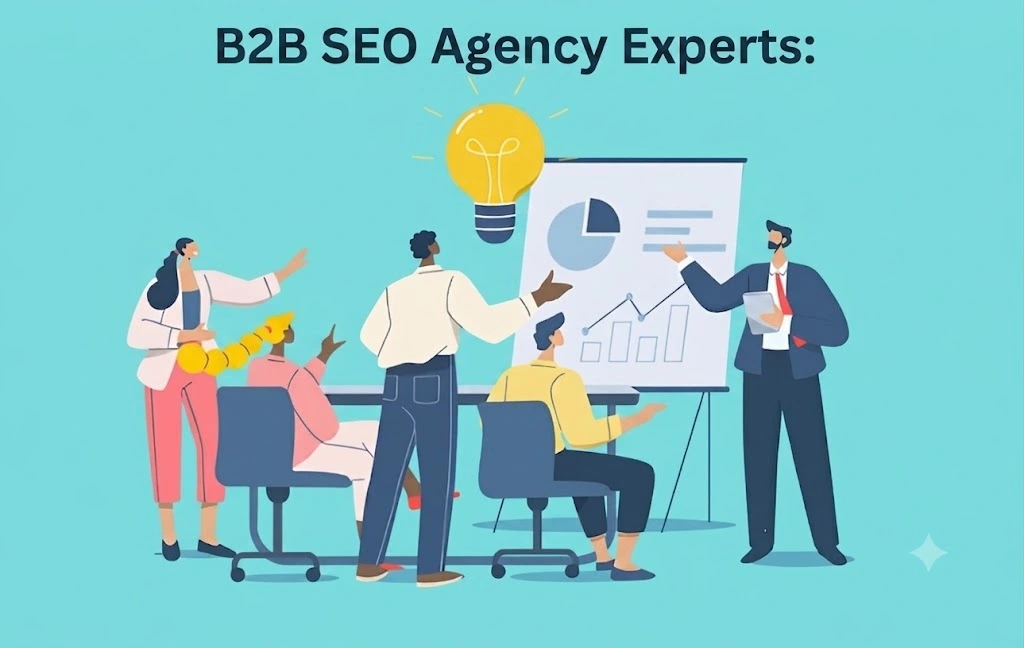
The Benefits of Working with B2B SEO Agency Experts
Search engine optimization remains one of the strongest digital marketing channels. B2B digital marketing becomes more effective when supported by B2B SEO Agency Experts who understand technical SEO, keyword strategy, content optimization, and search engine guidelines.
Professional SEO improves website authority over time. Better rankings create more visibility, while higher visibility attracts qualified visitors who already search for relevant business solutions. Research from BrightEdge indicates that organic search continues to generate a major share of website traffic for business websites.
Why Does SEO Build Long-Term Results?
SEO supports sustainable growth because valuable content remains available long after publication. Search engines reward websites that provide useful information, technical quality, and a positive user experience. Continuous optimization strengthens online authority and improves search performance across competitive keywords.
The benefit of Google SEO is that it allows any business or company to grow successfully because the strategy is important, and the content remains accessible for a long time. This means that search engines appreciate those websites that provide useful information along with high quality of their technical aspects and make the user experience pleasant enough.
Essential B2B Digital Service for Sustainable Business Growth
Long-term success depends on consistent improvement instead of short-term campaigns. B2B digital marketing services combine multiple digital channels to create stronger brand awareness, better lead quality, and higher customer trust. Every service supports another part of the marketing strategy and creates a complete online presence.
A complete strategy may include content creation, search engine optimization, email marketing, website optimization, paid advertising, and performance reporting. Every channel supports business goals and helps create a better customer journey from the first website visit to the final business decision. Industry reports from Salesforce show that businesses with integrated digital marketing strategies often achieve stronger customer retention and higher conversion rates.
Which Digital Services Support Long-Term Success?
Several services contribute to steady business growth.
- Search engine optimization
- Content marketing
- Email marketing
- Website optimization
- Paid advertising
- Analytics and reporting
- Conversion rate optimization
- Marketing automation
Every service contributes to stronger online visibility and better customer engagement.
How SEO, Content Marketing, and Social Media Generate Better Results
To be successful, digital marketing needs to employ different channels cooperating. B2B digital marketing services rely on SEO, valuable content, and social media campaigns to build brand reputation. With the help of SEO, companies make sure they show up in search results. By means of content marketing, firms share useful information that is perceived positively. Social marketing increases visibility and engagement for the brands through interaction with their audiences. Content Marketing Institute found that companies maintaining regular content marketing activities achieve much higher rates of engagement compared to those producing content irregularly.
How Does Content Improve Marketing Performance?
Useful content answers common customer concerns before direct contact begins. Articles, guides, service pages, and educational resources help visitors understand available solutions. Strong content also increases keyword relevance and supports higher search rankings over time. Professional content creates confidence because every page demonstrates knowledge, experience, and reliability.
Common Marketing Mistakes That Reduce Lead Quality
Many businesses struggle because simple marketing mistakes reduce campaign performance. B2B digital marketing services help identify weak areas before they affect lead generation and customer trust. Poor keyword research often attracts the wrong audience. Weak website content reduces engagement. Slow website speed increases visitor exits. Inconsistent branding creates confusion across digital channels. Limited performance analysis prevents future improvements. Reports from Google indicate that slow websites experience higher bounce rates than fast-loading websites.
Which Mistakes Reduce Marketing Performance?
Common issues include:
- Poor keyword selection
- Low-quality website content
- Slow page speed
- Weak mobile experience
- Inconsistent branding
- Limited SEO optimization
- Missing performance analysis
- Irregular content updates
Regular optimization helps reduce these problems and improves overall marketing performance.
What to Look for When Choosing a B2B Digital Marketing Agency
Business growth depends on selecting the right marketing partner. B2B digital marketing services deliver stronger results when supported by an experienced b2b digital marketing agency that understands business objectives and long-term strategies.
Professional communication, transparent reporting, industry knowledge, and measurable performance show the value of an experienced agency. Strong collaboration creates better planning and supports continuous improvement throughout every campaign.
Which Qualities Show Professional Expertise?
Useful qualities include:
- Strong industry experience
- Clear communication
- Transparent reporting
- Technical SEO knowledge
- Content marketing expertise
- Proven digital strategy
- Continuous optimization
- Long-term partnership approach
Professional support creates confidence throughout every stage of digital marketing.
How B2B SEO Agencies Improve Search Visibility and Conversions
Search visibility directly influences business growth. B2B digital marketing services strengthen website authority through technical improvements, keyword optimization, valuable content, and better user experience. Every improvement supports higher rankings and stronger conversion opportunities.
Search engines reward websites that provide useful information and technical quality. Better rankings increase qualified traffic, while improved website experiences encourage visitors to become business leads. Research from Semrush shows that websites with comprehensive SEO strategies often achieve stronger organic growth than competitors with limited optimization.
Why Does Search Visibility Matter?
Higher visibility creates more opportunities for business growth. Better rankings increase website traffic from relevant searches. Strong authority improves customer confidence before direct communication begins. Consistent optimization supports long-term digital success.
Key Takeaways for Building Long-Term Customer Relationships
Business success depends on trust, consistency, and valuable communication. B2B digital marketing services create stronger customer relationships through quality content, effective SEO, optimized websites, and data-driven marketing decisions. Every digital strategy contributes to stronger visibility and better lead quality.
Long-term growth needs steady work and constant improvement, not just quick, short campaigns. Businesses that invest in good digital marketing become stronger online. They attract the right decision-makers and build lasting customer relationships. Professional help also makes planning better, improves campaign results, and creates real business growth.
Final Thoughts
B2B digital marketing services help businesses build stronger relationships, increase online visibility, and attract qualified clients through a clear digital strategy. Long-term success comes from consistent optimization and valuable customer experiences. Every marketing effort should support sustainable business growth and lasting trust. Ready to improve digital performance? Contact Ecommerce Planners today for expert guidance and personalized solutions tailored to business goals.
Frequently Asked Questions
What makes B2B digital marketing different from B2C?
B2B marketing targets longer sales cycles and multiple decision-makers, while B2C often focuses on single, faster purchases.
How long does SEO take to show results?
Most businesses start seeing measurable movement within a few months, though timelines vary by industry and competition.
Is paid advertising necessary alongside SEO?
Paid ads help generate faster visibility while organic SEO builds long-term, sustainable traffic.
What role does content play in lead generation?
By providing relevant answers to the customer’s questions from the very beginning, it is possible to build credibility before starting sales negotiations.
How frequently should the website be updated with regard to SEO?
Websites have to be regularly updated, preferably every few months, to uphold their positions and reflect the reality in the industry.