
You want higher revenue without higher ad spend. You want buyers who already compare products. Amazon Google Shopping ads give that advantage when you control the structure and data.
You also face a volatile auction. Amazon left Google Shopping in 2025. CPC dropped close to 30 percent in many niches, according to PPC Land. Smart stores captured cheaper clicks and a higher margin. Slow stores lost that window.
You can still win. You only need a hybrid strategy that connects Google Adds, Amazon PPC, and conversion optimization.
Why does Amazon’s Google ad spend matter for your CPC?
You should study Amazon’s historical presence. Amazon dominated Shopping auctions with up to 70 percent impression share in some markets, according to 360 OM Agency. High dominance raised CPC for every seller.
You should track auction density weekly. Amazon confirms that more bidders increase acquisition cost. Fewer bidders reduce CPC and improve ROAS.
You should also segment campaigns by intent. Comparison queries need different bids than branded queries. Clear segmentation protects the margin.
You can implement that structure through a strong Google Ads strategy that aligns with your product feed and keyword data.
Why did Amazon disappear from Google Shopping ads?
You should understand the timeline. Amazon paused Shopping ads in July 2025. Impression share dropped to zero within two days, according to PPC Land. CPC declined across retail categories. Traffic quality shifted in some sectors.
You should treat that event as a lesson in platform dependency. Heavy reliance on one advertiser inflates the cost for everyone else.
You should optimize your product feed now. Google Merchant Center data shows optimized titles can improve CTR by up to 15 percent.
You should align feed optimization with Shopify store development so product data stays structured and scalable.
How do Amazon search ads support your funnel?
You should treat Amazon search ads as the bottom funnel. Buyers on Amazon show strong purchase intent. Google Shopping captures the discovery stage.
You should build a three-step funnel
Top funnel uses non-brand shopping queries
Mid-funnel uses branded Google search
Bottom funnel uses Amazon Sponsored Products
McKinsey reports omnichannel retail media can lift total revenue by 15 percent. You can achieve that lift when attribution tracks cross-platform sales.
You should connect Amazon Attribution to measure Google traffic that converts on Amazon. Accurate data improves bid decisions.
You can manage that flow through a structured Amazon Ads campaign architecture.
How should you structure an Amazon Ads manager account?
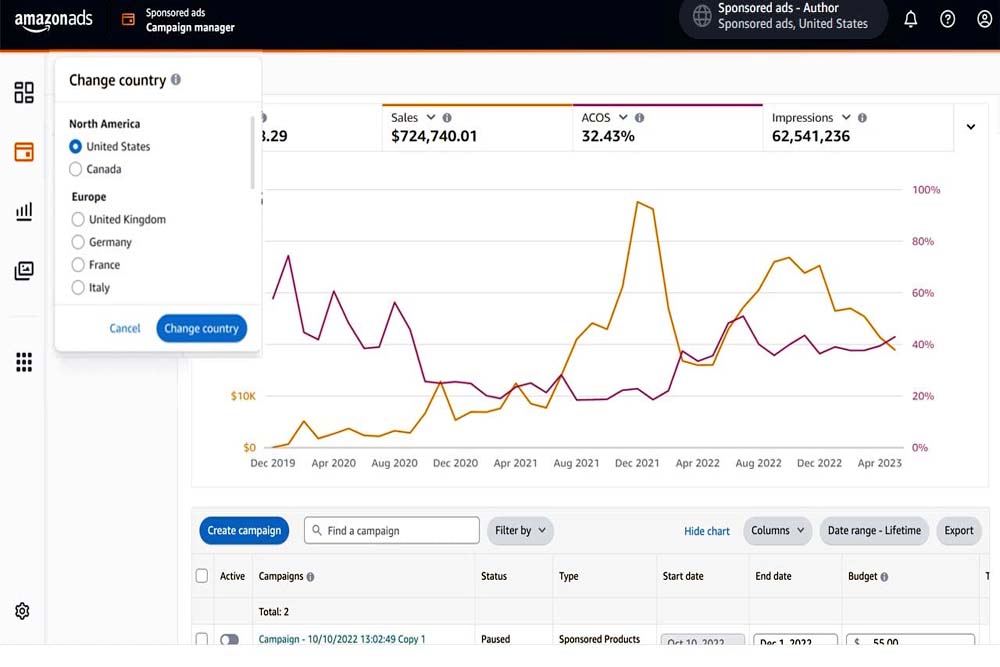
You should separate campaigns by margin. High-margin SKUs allow higher bids. Low margin SKUs need strict ROAS targets.
You should cluster products by category. Clear clusters simplify budget control.
You should optimize titles with a proven formula
Brand name first
Primary keyword second
Core benefit third
Model or size last
You should use high-quality images. Strong visuals improve CTR and conversion rate according to Google research.
You should support visuals through professional graphic design so product creatives remain consistent across Google and Amazon.
What does Google Amazon shopping charge actually cost?
You should understand the CPC auction model. Cost per click depends on competition, feed quality, and bid strategy.
You should compare two scenarios
Amazon’s active participation in the auction leads to higher CPC
Amazon’s absence leads to lower CPC, but sometimes lower AOV
Statista reports structured budget allocation improves ROAS stability. You should apply a simple model
70 percent profitable SKUs
20 percent growth SKUs
10 percent testing SKUs
You should connect ad traffic with fast landing pages. Google data shows that a one-second delay can reduce conversions by 20 percent.
You can improve page speed and UX through WordPress design and development or optimized Shopify themes.
What happens when Amazon returns to Google Shopping?
You should expect CPC inflation. Amazon regained up to 74 percent impression share in some regions after its return, according to Dataconomy.
You should protect branded queries. Brand campaigns deliver low CPC and high ROAS.
You should add negative keywords. Query sculpting removes low-intent traffic.
You should build first-party data through email and remarketing. Salesforce confirms that owned audiences reduce acquisition cost over time.
You should combine Shopping campaigns with social media ads to generate demand before users search.
How can you boost revenue fast with a clear framework?
You should audit your product feed
Check GTIN accuracy
Update titles with high intent keywords
Add high-resolution images
You should launch high-margin SKUs first
Higher profit supports aggressive bids
Boston Consulting Group reports structured testing cycles improve campaign efficiency by 25 percent. Weekly optimization protects the budget.
You should document workflows inside your SEO SOPs so scaling stays consistent.
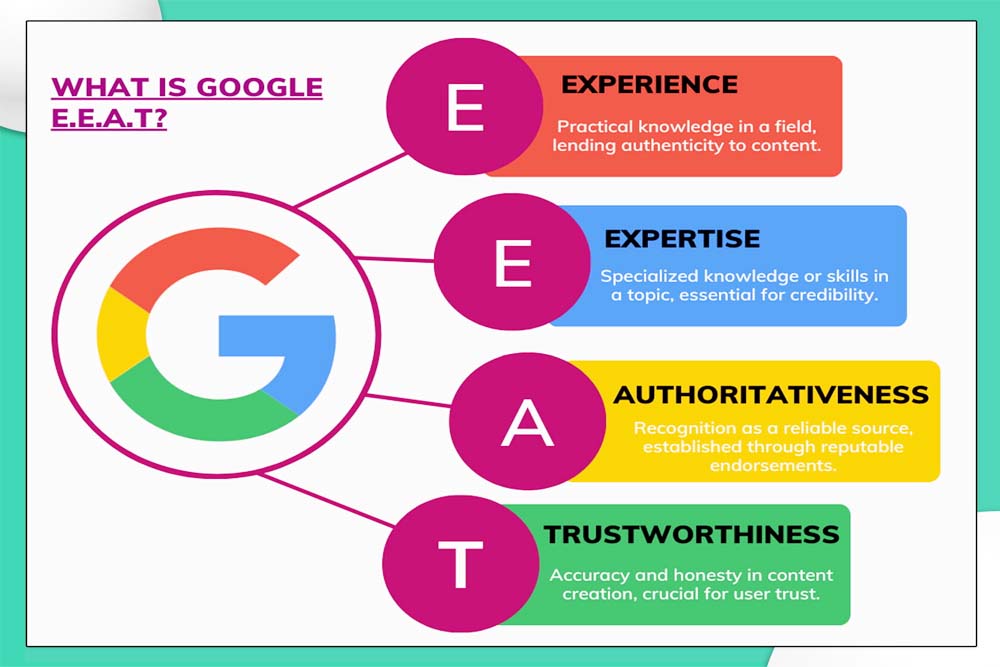
Why does EEAT improve ad performance?
You should show real experience through case studies. A client in home decor reduced CPC by 22 percent after feed restructuring. ROAS increased from 3.1 to 4.4 in six weeks.
You should demonstrate expertise through certified ad management. Data-driven decisions reduce wasted spend.
You should increase engagement through calculators and comparison charts. Longer dwell time supports SEO performance according to Google Search Central.
You can connect ad data with content marketing to create keyword-driven product pages.
How does SEO support Amazon Google Shopping ads?
You should treat SEO as demand capture. High-ranking product pages improve the Shopping quality score.
You should implement a product schema. Structured data increases visibility and CTR.
Search Engine Journal reports that combined SEO and paid data improves keyword targeting accuracy.
You should optimize category pages through Google SEO to capture high-intent queries.
You should also optimize marketplace listings through Amazon SEO to improve organic rank and reduce ad dependency.
How does conversion optimization affect ROAS?
You should test landing page layouts. Clear pricing and trust badges improve conversion rate.
You should simplify the checkout flow. Fewer steps increase completed purchases.
HubSpot reports CRO improvements can increase revenue without additional ad spend.
You should connect CRO with ad segmentation. High intent queries should land on high-converting pages.
You can refine that process through structured conversion optimization workflows.
Final Thoughts
You should treat Amazon Google Shopping ads as a profit system, not a traffic tool. Lower CPC alone does not guarantee revenue. Structured campaigns, clean product feeds, and margin-based segmentation create real growth.
You should connect Google Shopping with Amazon PPC to control the full funnel. Accurate attribution shows which keywords generate profit on each platform. Data-driven bidding protects the budget and scales winning SKUs.
You should support ads with SEO, fast store performance, and strong conversion optimization. Higher quality pages improve Quality Score, reduce CPC, and increase ROAS.
You should act early when auction conditions shift. Quick optimization captures cheaper clicks and stronger impression share. Delayed action increases cost and reduces visibility.

