
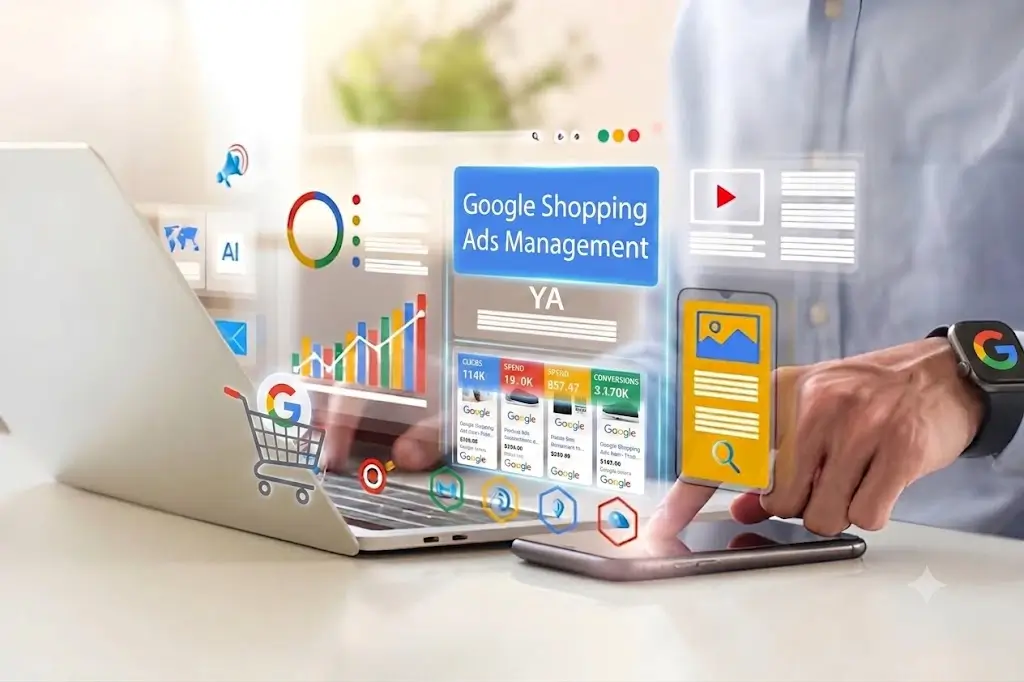
How Do You Create a Successful Google Shopping Ads Management Strategy?
Every online store wants more people to see their products, get more visitors, and sell more items. A good Google Shopping ads management plan helps products show up when people are ready to buy. Good planning, correct product details, and always making things better help every campaign do well. Search engines like Google like product information that is correct, so every part of your campaign needs care from the very start. By visiting Ecommerce Planners, businesses can learn how proper planning creates a strong base that helps your brand grow over time.
What Is Google Shopping Ads Management and Why Is It Important?
About taking care of product feeds, campaign setup, bidding, choosing who sees your ads, and checking how things are going. All these parts work together to show products to people who are looking for similar items. Google Shopping ads management helps stores stay competitive when many sellers offer similar products. Google says that Shopping Ads can bring a big portion of retail ad clicks because product pictures, prices, and store details show right in search results.
How well your products show up in search depends on product quality just as much as campaign quality. A detailed product feed makes your products more relevant, helps them show up more often, and lets them appear for valuable search terms. Merchant Center, Google Ads, good product details, and feed quality all help campaigns succeed. Integrating targeted social media marketing services into your overall digital blueprint can further support this retail visibility. Good planning creates a strong base that helps your business grow over time.
Why Should You Work with a Google Shopping Expert to Improve Campaign Performance?
Google Shopping ad management needs technical skills, market knowledge, and ongoing improvement. A Google Shopping expert knows about product feed rules, bidding methods, campaign groups, and what people are searching for. Expert help stops common mistakes that make products hard to find and waste ad money. Relying on advanced SEO services alongside paid strategies ensures your inventory remains highly visible across all search parameters.
Competition in the market changes all the time. What people search for also changes across different product types. Expert campaign management finds new chances by looking at search terms, learning about your audience, and checking product reports. Google often suggests making your feed better because complete product information usually helps campaigns show up more and work better.
How Does Google Shopping Ads Management Help Increase Ecommerce Sales?
Product pictures catch attention first. Product titles explain what the item is next. Good prices encourage clicks. Google Shopping ads management helps at every step when a customer decides to buy. Correct landing pages finish the customer experience. Every step helps more people buy.
Research from Google keeps showing that shoppers compare products before they decide to buy. Best product data helps search engines know each product better. When search engines understand products better, they show them for more relevant searches. Good visibility often leads to more clicks and better sales for online stores.
Why Does Product Feed Quality Matter?
Ad management always starts with a correct product feed. Good product titles, clear descriptions, right categories, quality pictures, and up-to-date stock information make campaigns work better. Feed quality affects search visibility because Google uses product information to match customer searches.
A strong feed also stops products from being rejected and keeps your account healthy. When your account quality is better, your products have more chances to show up on Google Shopping, Search, and other shopping spots.
How Does Product Listing Ads Management Improve Performance?
Google Shopping ads work even better with product listing ads management because products get organized by category, brand, product type, or business goals. Organized campaigns make it easier to check results and help marketers find which products are doing well faster.
Campaign organization also helps with bidding choices. Products that sell well get more ad money, while weaker products get more work done on them before they get higher spending.
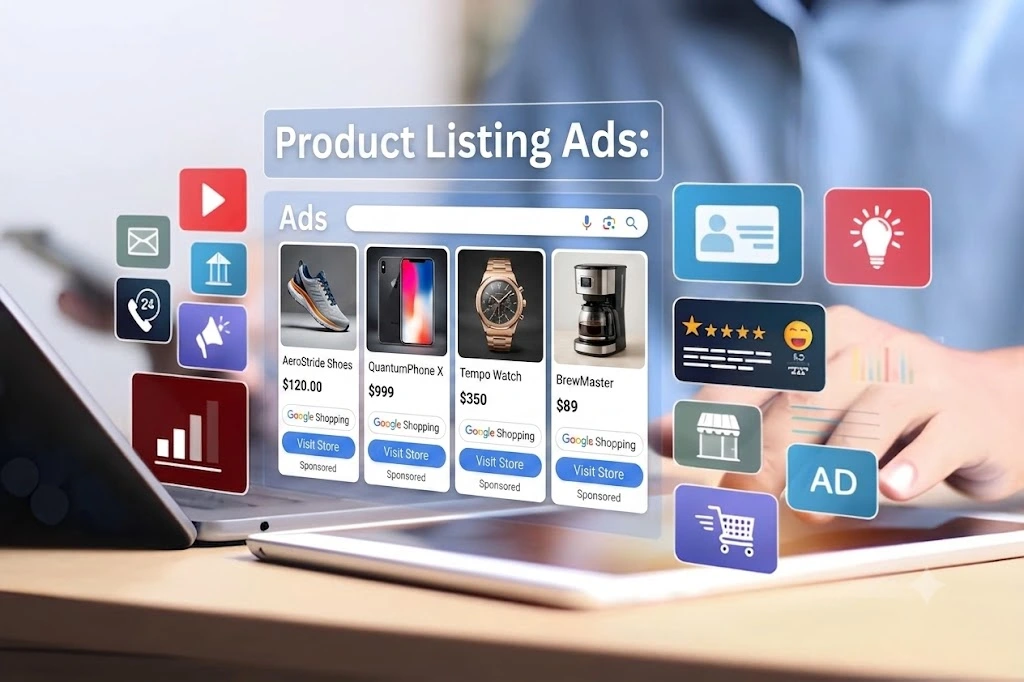
What Are the Essential Steps to Build a Successful Google Shopping Ads Management Strategy?
Google Shopping ads management follows clear steps instead of random changes. Each step helps campaigns get better over time.
Build a Complete Product Feed
Correct product information helps products show up for the right searches. Good titles, clear descriptions, quality pictures, GTIN numbers, product categories, and current stock make campaigns stronger.
Organize Campaign Structure
Good campaign grouping gives you better control over budgets, bidding methods, and which products matter most. Organized campaigns also make it easier to see results across different product types.
Select Smart Bidding Strategies
What you want from your campaigns decides which bidding method works best. Campaigns that want sales need different bidding than campaigns that want visitors. Always checking performance helps you make smarter bidding choices over time.
Improve Product Images
Good pictures strongly affect shopper attention. Clear product photos make better first impressions and get more product clicks.
Monitor Search Terms
Search term reports show you what customers are looking for. Looking at these regularly helps you find new keywords while removing searches that don’t lead to sales and waste ad money.
Google says you should keep checking your account because customer behavior changes often in online shopping. Regular account checks help campaigns keep improving.
How Can Shopping Ads Optimization Improve Clicks, Conversions, and ROI?
Google ads management needs constant improvement, not just setting things up once. Shopping ads optimization makes campaigns work better through better feed quality, smarter bidding, improved audience targeting, and detailed performance checking.
Higher click rates often come from stronger product titles, better pictures, good prices, and correct product details. Better landing page relevance also improves sales because shoppers get exactly what search results promised.
Google keeps telling advertisers to improve product data quality because detailed information makes searches more relevant and builds customer trust. Ongoing optimization creates stronger long-term campaign results instead of short-term fixes.
Why Should You Hire a Google Shopping Ad Agency Instead of Managing Campaigns Yourself?
Google Shopping ads management often needs technical knowledge that comes from working on campaigns for a long time. A trusted Google Shopping ad agency knows about advanced bidding strategies, feed optimization, audience targeting, Merchant Center problem-solving, and how to grow campaigns.
Expert management also saves your business time and effort. Campaign monitoring, feed upkeep, performance reporting, and optimization need regular attention. Experienced specialists find chances to improve before campaign problems hurt your results.
Businesses also get helpful reports, strategic advice, and long-term growth planning. Expert oversight supports steady campaign improvement across competitive online shopping industries.
Which Common Google Ads Management Mistakes Should You Avoid?
Many businesses’ campaign performance suffers from mistakes they could avoid. Careful planning stops unnecessary performance problems.
* Bad product titles reduce search relevance
* Poor product pictures lower click potential
* Missing product details limit visibility
* Old stock information frustrates customers
* Weak campaign structure reduces control over optimization
* Wrong product categories affect search matching
* Limited performance checking delays improvements
* Poor landing page quality reduces sales
* Duplicate product data creates account issues
* Irregular campaign reviews slow long-term growth
Google Merchant Center often finds product feed issues that need quick fixing. Quick corrections help keep your account healthy and improve campaign eligibility.
How Do You Measure the Success of Google Ads Management Campaigns?
Google Shopping ad management requires accurate performance measurement. Reliable reporting helps you identify strengths, weaknesses, and opportunities for future growth. Clear performance numbers guide smarter campaign decisions across every product type.
Several numbers need regular attention.
* Click-through rate
* Conversion rate
* Return on ad spend
* Impression share
* Cost efficiency
* Product approval status
* Search term relevance
* Revenue growth
* Product-level performance
* Customer purchase behavior
Google Ads and Merchant Center give useful reports that help check campaign performance. Performance trends show chances for feed improvements, bidding changes, and audience refinement. Regular reporting creates better decision-making and stronger long-term results.
A successful Google Shopping ads management strategy never depends on just one change. The product feed improvements, campaign refinement, accurate reporting, and performance analysis all work together to create stronger ecommerce growth. Businesses that focus on quality data, well-organized campaigns, and regular optimization often get better visibility, stronger customer engagement, higher sales, and lasting success.
Final Thoughts
An effective strategy for Google Shopping ads management is based on the use of quality data, smart bidding, and continuous optimization of the campaigns. Each step in the process matters: from product feeds to the structure of campaigns, up to performance reports. Improvements in every step bring significant benefits over a certain period of time. Companies that are innovative and constantly improve their campaigns achieve significantly better results than their competitors. No matter if you handle your campaigns by yourself or hire professionals, the basic principle for a successful Google Shopping strategy is constant improvement. Ready to boost your sales? Contact Ecommerce Planners today and let our experts handle your Google Shopping campaigns for better results!
Frequently Asked Questions
Q1: What is the first step in Google Shopping ads management?
A: Build a complete and accurate product feed with correct titles, descriptions, and images.
Q2: Why should you hire a Google Shopping expert?
A: Experts avoid costly mistakes, save time, and help improve your campaign performance faster.
Q3: Why does product feed quality matter so much?
A: Google uses your feed data to match products with relevant customer search queries.
Q4: What common mistakes should you avoid in campaigns?
A: Avoid poor titles, bad images, missing details, and weak campaign structure.
Q5: How do you measure Google Shopping campaign success?
A: Track click-through rate, conversion rate, ROAS, and overall revenue growth.
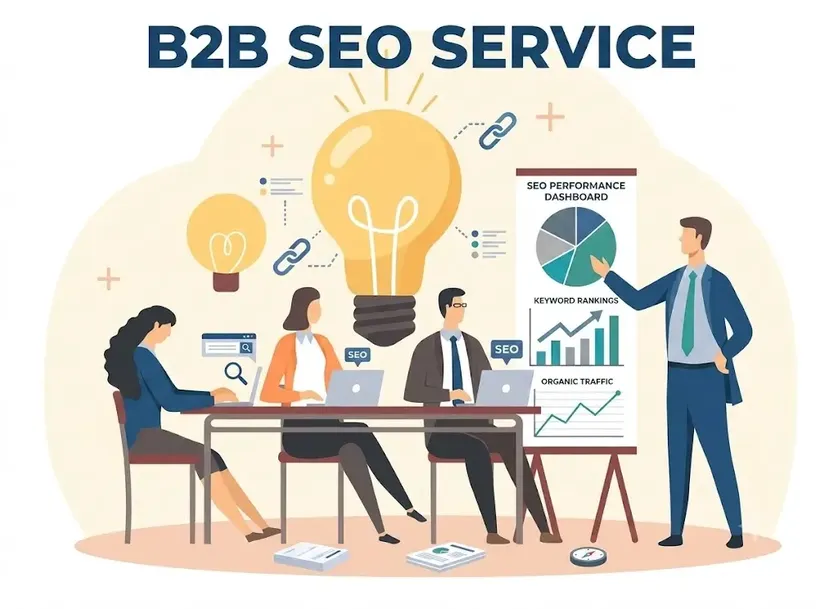
Why B2B SEO Services Are Essential for Sustainable Revenue Growth
Companies today have to compete in busy online markets. Being easy to find online helps decide how much a business can grow. B2B SEO services help brands get noticed by decision-makers through free search results, instead of only using paid ads. Good search visibility brings steady website visitors, better leads, and more sales chances over time. The way people search still shapes how they buy things in almost every industry today. Google’s research shows most business buyers do a lot of research online before they ever contact a supplier. Good organic visibility helps build trust and makes buyers feel sure while they compare their choices.
What Does a B2B SEO Agency Do for Business Growth?
The right SEO plan would start by defining goals and conducting proper market research. B2B SEO services focus on ensuring that the website’s content, structure, optimization, and phrases are in sync with the phrases your target audience is using to search for products in search engines. A B2B SEO agency will make the necessary adjustments to the layout, content, internal links, and overall experience of the website users. According to BrightEdge’s research, organic search remains one of the sources of referral traffic for businesses, which proves its relevance.
Good content helps at every step of the sales process. Keyword research finds useful search terms that match what buyers really want to know. Technical fixes make the website faster, cleaner, and easier for search engines to find. Backlinks and helpful content build trust slowly over time. Every small improvement adds up to better visibility and steady, lasting growth. You can also check out Google Ads PPC services to boost your results alongside SEO work.
Why Partner with an Expert SEO B2B Agency for Better Results?
Working with real experts gives you a clear edge in busy industries. B2B SEO services need careful planning because business buyers usually compare several companies before making a final choice. An Expert SEO B2B agency understands long buying times, slow sales steps, and knows exactly what search terms matter most in your industry. Strong SEO also works well alongside social media marketing to build greater brand visibility and attract qualified business audiences. Every effort focuses on bringing in high-quality visitors instead of random traffic that never turns into sales.
Good SEO plans focus on long-term results, not quick wins that fade away fast. Technical checks find hidden problems that quietly hurt visibility. Content updates build stronger trust across your most important pages. Search engines reward sites that keep quality high over a long time. HubSpot’s research shows organic search still brings in strong leads for B2B companies, since people are already looking for answers before they decide to buy.
Key Points:
Expertise matters: Specialists understand complex B2B buying cycles and industry-specific search behavior.
Quality over quantity: SEO focuses on attracting qualified visitors, not just random traffic.
Long-term focus: Strategies build lasting results instead of temporary ranking boosts.
Technical audits: Regular checks find and fix hidden issues that hurt visibility.
High-intent visitors: Organic search reaches buyers already looking for solutions.
How B2B SEO Consultants Create High-Quality Lead Generation Strategies
Good lead generation always starts with understanding your audience and finding the right keywords. B2B SEO services bring in decision-makers who are already searching for answers online, right now. B2B SEO consultants look closely at what people are searching for, what other companies are doing, and what content is missing before building a full plan. Every step is meant to bring better leads, not just more traffic for no reason.
Content matters at every step of the customer’s journey. Helpful articles answer common questions before people even decide to buy. Service pages clearly show your skills and the value you offer. Technical work improves site speed, mobile use, and how easily search engines can move through your pages. Google says page experience still affects how happy people feel, which then affects how they use your site and see your brand.
| Step | Action | Result |
| Research | Study audience, competitors, and keywords | Find real opportunities |
| Plan | Build a data-driven SEO roadmap | Clear direction |
| Create | Write helpful articles and service pages | Build trust and show expertise |
| Optimize | Fix speed, mobile, and site structure | Better user experience |
| Improve | Track results and adjust | More qualified leads |
Key Benefits of Investing in Professional B2B SEO Services
Long-term visibility builds lasting value for any business. B2B Google Ads services build strong online trust so you’re not only relying on ad money to get noticed. Better rankings mean more people who might buy your product or service get to know your brand. Organic traffic is also better because those visitors are already truly interested.
Another big benefit is trust. People often trust websites with higher rankings more than ones with lower rankings. Sharing content often builds your name as an expert on topics that matter most to your industry. Good SEO also makes your website easier to use with faster loading, clear paths, and helpful information laid out simply. Semrush’s research shows that full SEO plans combine technical work, good content, and trust-building together for lasting results.
How a B2B SEO Agency Improves Search Rankings and Revenue
For a business to grow, it must go through a continuous process because it is not done overnight. B2B SEO practices would help in improving the search results because they emphasize technicalities, keyword targeting, and content quality. The search engine bases its evaluation of a certain website on various indicators. Continuous work leads to better visibility when it comes to relevant searches by buyers.
More visibility naturally means more money, because the right visitors arrive through matching searches. Better keyword matching brings in buyers who are actively comparing their choices. Higher rankings mean more people see your brand throughout their whole buying journey. BrightEdge’s research shows organic search brings in a big share of website money across many industries, because that kind of traffic usually shows strong buying interest already.
What to Look for When Choosing an Expert SEO B2B Agency
Choosing the right agency affects your long-term success in a big way. B2B SEO services need good planning, clear reports, and regular, honest talks. Strong agencies show real technical skill, deep content knowledge, and clear, repeatable steps. Clear reports also help you judge how well a plan is really working.
Trustworthy partners focus on lasting results, not risky shortcuts. Honest SEO work protects your visibility and trust for the long run. Regular checks catch technical problems early, before they cause bigger issues down the road. Good teamwork also helps you keep improving as search engines keep changing their rules. Mentioning our services again here helps connect related content and keeps the website easy to use for visitors.
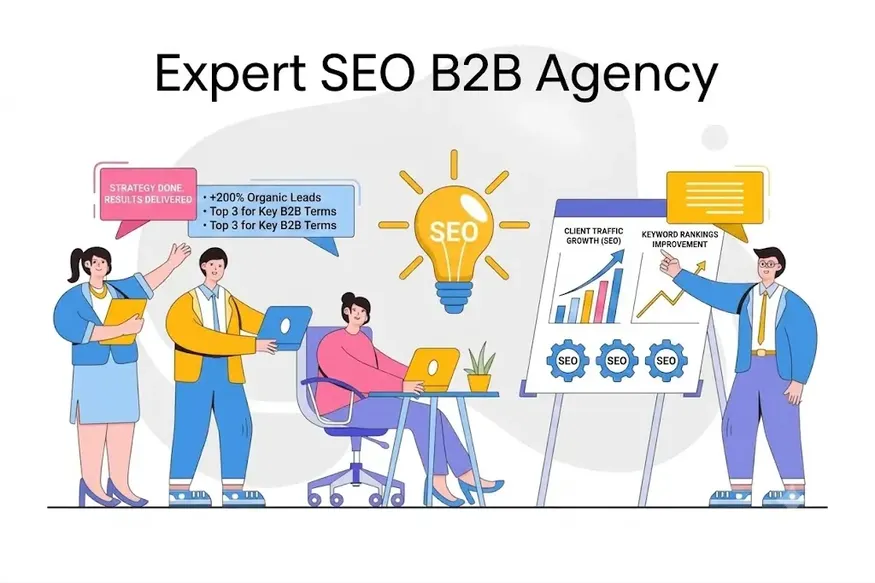
How B2B SEO Consultants Measure SEO Success and ROI
Every good SEO plan relies on measuring results. Key numbers like traffic, rankings, leads, sales, and money made show how well the plans are working. All the different numbers show how much progress is being made toward the goals. There are tools that help make this work easier, like Search Console, tracking programs, and keyword tools. Checking results often helps show what is working well and what needs to get better.
The Future of B2B SEO Services for Long-Term Business Growth
Online competition keeps growing in almost every industry today. B2B SEO services stay a smart, safe choice because organic visibility supports growth that lasts well beyond short-term plans. Search engines keep rewarding sites with helpful content, strong technical quality, and real topic knowledge built over time. Businesses that keep investing in SEO build stronger visibility and stay ahead of others as time goes on.
AI, search intent, and user experience keep shaping modern SEO in new ways. Good content is still a key ranking factor even as the rules keep changing. Solid tech foundations ensure that the website can be found more easily and work efficiently. The longevity of successful search engine optimization depends on persistent improvement, not trickery or buying links. Ready to grow your visibility? Get in touch with the e-commerce planners team to get started today.
Quick Questions and Answers
What is the reason to go for B2B SEO?
B2B SEO services help bring more traffic naturally, help you rank well on search engines, and help you get more good leads.
How long does B2B SEO take to work?
B2B SEO usually takes 6 to 12 months to bring real growth and new business leads.
Why is organic traffic better than paid ads alone?
Organic traffic works better than paid ads because it grows over time, builds lasting trust, and gets more clicks.
What does a B2B SEO agency actually do?
A B2B SEO agency makes websites better for business-to-business companies so they attract the right leads. Instead of chasing high search numbers, they focus on smaller, high-interest keywords.
How is SEO success measured?
SEO success is mostly measured by tracking traffic growth, keyword rankings, and real business results (leads, sign-ups, or sales) that come from traffic.
Google Ads for Financial Advisors: SEO vs PPC – Which Strategy Wins?
Google Ads for financial advisors has become one of the most effective ways to attract high-intent clients in a competitive financial market. When people search for retirement planning, wealth management, or tax optimisation services, they usually need immediate guidance. This is where the debate between SEO and PPC becomes important. Should financial advisors invest in long-term search engine optimisation, or focus on paid advertising for instant visibility?
The truth is that both strategies offer advantages, but they serve different purposes. Understanding the difference between SEO and PPC allows financial advisors to make informed marketing decisions based on their goals, timeline, and budget.
The Core Challenge Financial Advisors Face
Financial advisors operate in a highly regulated and competitive environment. Trust is the foundation of the business. Prospective clients do not choose advisors casually; they research credentials, reviews, and online presence before making contact.
The problem many advisors face is visibility. Even with a professional website, they struggle to appear on the first page of search results. Organic rankings take time, especially in financial niches where competition is intense. Meanwhile, competitors who invest in Google Ads for financial advisors are capturing immediate traffic and inquiries.
Another challenge is consistency. Referral-based businesses often experience fluctuations in client flow. Digital marketing aims to create a predictable system for lead generation.
Understanding SEO for Financial Advisors
Search Engine Optimisation focuses on improving organic rankings in search results. Through keyword optimisation, content creation, backlink building, and technical improvements, advisors can gradually increase their visibility.
SEO builds credibility over time. When your website ranks organically for keywords such as “retirement planning advisor” or “investment management services,” it signals authority and trustworthiness. Clients often perceive organic results as more reliable than paid advertisements.
However, SEO is a long-term strategy. It can take six to twelve months, sometimes longer, to see significant results in competitive financial markets. This delay can be frustrating for advisors seeking immediate growth.
Despite the slower timeline, SEO offers sustainable traffic. Once rankings are established, ongoing maintenance costs are typically lower than paid advertising. Many firms combine SEO with search engine marketing services to maximise both organic and paid exposure.
The knowledge of Google Ads and PPC
Google Ads, as a financial advisor, provides immediate exposure through Pay-Per-Click advertisements. Ads are first in the search results when the campaigns are allocated. This immediate placement is important where high-intent keywords are required.
To illustrate, a person looking for a fee-only financial advisor near me is likely to book an appointment. PPC ensures your firm is visible when potential clients search.
The other benefit is aiming for accuracy. Advertisements can be tailored by location, demographics, income, and even search behaviour. Campaign performance can be measured in real time, enabling adjustments to maximise investment.
Nonetheless, PPC has to be continuously budgeted. As soon as you stop paying, you are no longer seen. Unmanaged campaigns may cost a lot in a short time, particularly in the competitive financial market.
SEO vs PPC: Key Differences
The main distinction between SEO and PPC is timing and sustainability. SEO is an authority-building strategy that offers long-term returns. PPC provides instant traffic and must be invested in.
Another is the cost structure. SEO entails initial content and optimisation costs, whereas PPC involves per-click payments. Cost-per-click may be very high in financial services due to competition.
Trust also plays a role. The organic listing can gain more credibility, whereas the paid ads would drive more action among those with high intent.
In a real sense, the most successful financial advisors rarely decide between the two. They instead develop a balanced approach.
The Power of Combining Both Strategies
A combined approach often produces the best results. Google Ads for financial advisors can generate immediate leads while SEO builds long-term authority. Paid campaigns provide valuable keyword data that can inform SEO content strategies.
When both channels are aligned, advisors dominate more space on search results pages. Appearing in both paid and organic listings increases brand recognition and click-through rates.
Many firms seek guidance from the best digital marketing agencie for small businesses 2026 to develop integrated strategies. Agencies with financial industry experience understand compliance requirements, audience targeting, and budget optimisation.
Additionally, comprehensive search engine marketing services ensure that campaigns are continuously refined based on analytics and performance data.
Which Strategy Should You Choose?
It is all about making the right decision, which depends on your business level and goals. PPC can give you quicker momentum if you are a new financial advisor. When you have the long-term authority you are creating and are interested in the long-term growth, then you need to include SEO.
Companies that have been in business a long time tend to be the greatest beneficiaries of the integration of the two approaches. PPC helps generate short-term leads, and SEO helps build a reputation and reduce the cost of long-term acquisitions.
In a digital world where competition is intense, referrals alone are no longer enough. Clients are going online in search of reliable advisors. A Google Ads financial advisor makes sure you show up at the right time, and SEO gives you credibility in the long run.
Finally, the best strategy to win is not SEO and PPC. It is knowing how to apply both smartly to generate consistent, scalable growth for your advisory firm.
Google Ads for Law Firms: The Smartest Way to Win More Clients in 2026
Google Attorney Advertising has become one of the most effective tools for lawyers seeking steady, high-quality leads. In the current competitive legal market, merely possession of a website is not sufficient. Their prospective clients are turning to Google in need of urgent legal assistance, and unless your firm is at the top of the search results, then you are missing out on valuable cases to your rivals through Google Ads for law firms.
The legal industry is saturated. Regardless of whether you practice personal injury, family law, criminal defence, or corporate law, there are dozens of firms that are competing for the same clients. Many litigation firms face inconsistent lead generation, high-cost conventional advertising, and unfavourable returns on investment. Lack of demand is not the actual issue. It is invisible at the very moment when potential clients need assistance, which is why many firms rely on Google Ads for law firms to improve visibility and attract qualified leads.
The central Issue: Significance and Intense Competition
The majority of law firms rely on referrals, outdated marketing strategies, or generic SEO strategies that take months to deliver returns. In the meantime, the competition is spending a lot on paid advertising and taking urgent leads on the spot.
Clients of the law office are unlikely to window-shop. They search in case they are in a serious problem. A person who enters the query for a divorce attorney in my area or a car accident lawyer consultation is also willing to take action. Unless your company is in the spotlight, they will call another attorney in minutes.
Another challenge is cost. One of the most costly keywords of digital advertising is legal keywords. In the absence of a good strategy, companies end up wasting thousands of dollars on irrelevant clicks, broad targeting, and under-optimized campaigns. This is where strategic Google Ads for law firms is necessary.
The Rescue: Niche Google Ads
The positioning in Google Ads is instantaneous and on the first page of search results. Unlike long-term methods like SEO, paid advertising puts your company in front of high-intent clients in minutes. But, it is only successful when precise.
While paid campaigns generate immediate visibility, combining them with seo for lawyers creates a powerful long-term growth strategy. Search engine optimization helps your firm rank organically on Google for high-intent legal searches, building credibility and sustainable traffic over time. When Google Ads for law firms delivers instant leads and seo for lawyers strengthens your organic authority, your firm benefits from maximum exposure, higher trust, and a steady pipeline of qualified clients throughout 2026 and beyond.
The best campaigns are built on targeting keywords, a location-based approach, landing page optimization, and high-quality call-to-action messages. The advertisements should be targeted to legal services and tailored to clients’ pain points.
Besides conventional search ads, numerous companies are currently utilizing Google Local Service Ads for attorneys. This category of ads will appear above regular search ads and feature a Google Screened badge, which immediately builds trust. They enable prospective customers to call the advert, thereby boosting conversion rates.
Local service advertisements are especially effective for attorneys, since legal judgments can be quite local. Customers desire a person who is familiar with local regulations and judicial frameworks. Such top placements have a significant effect on credibility and click-through rate.

The importance of Professional Management.
Advertising is not as easy as advertising; it requires sophisticated skills. The mismanaged campaign may cost the budget without any result. This is why most companies collaborate with a Google Ads management firm that understands the legal niche.
A dedicated management group is focused on improving keyword lists, filtering out unrelated searches, streamlining bids, and conducting ongoing experimentation with ad variations. They monitor cost-per-lead and manage the strategy to generate profits.
One other important factor is compliance with the law. The rules governing attorney advertising can vary by region. A professional team would make sure that your campaigns are guided, yet convincing and competitive.
The 2026 Competitive Landscape
Digital marketing is still advancing rapidly. The rivalry in the legal sector will be even tougher in 2026. Companies that take a long time to invest in paid advertisements may end up being permanently left behind.
That is why it is a strategic choice for a business to select the best digital marketing agency in 2026. Law firms with fewer than 500 employees, particularly mid-sized firms, require specialized, data-driven marketing partners that understand financial efficiency and deliver quantifiable ROI.
Google Ads for law firms is no longer optional. It is an expansion plan grounded in accuracy, speed, and quantifiable outcomes. The law firms that will conduct organized campaigns, use the services of lawyers through Google Local Service Ads, and engage an honest Google Ads management firm will control their markets in 2026 and beyond.
Contact e-commerce planners Today for a Smarter Growth Strategy
Ready to dominate your market with Google Ads for law firms? At e-commerce planners, we specialize in building high-converting campaigns that place your firm at the top of Google when potential clients are actively searching for legal help. From in-depth keyword research and persuasive ad creation to landing page optimization and continuous performance management, our team handles every detail with precision and compliance in mind. Contact with e-commerce planners today to schedule your consultation and discover how a data-driven advertising strategy can deliver consistent, qualified leads and measurable growth for your firm in 2026 and beyond.
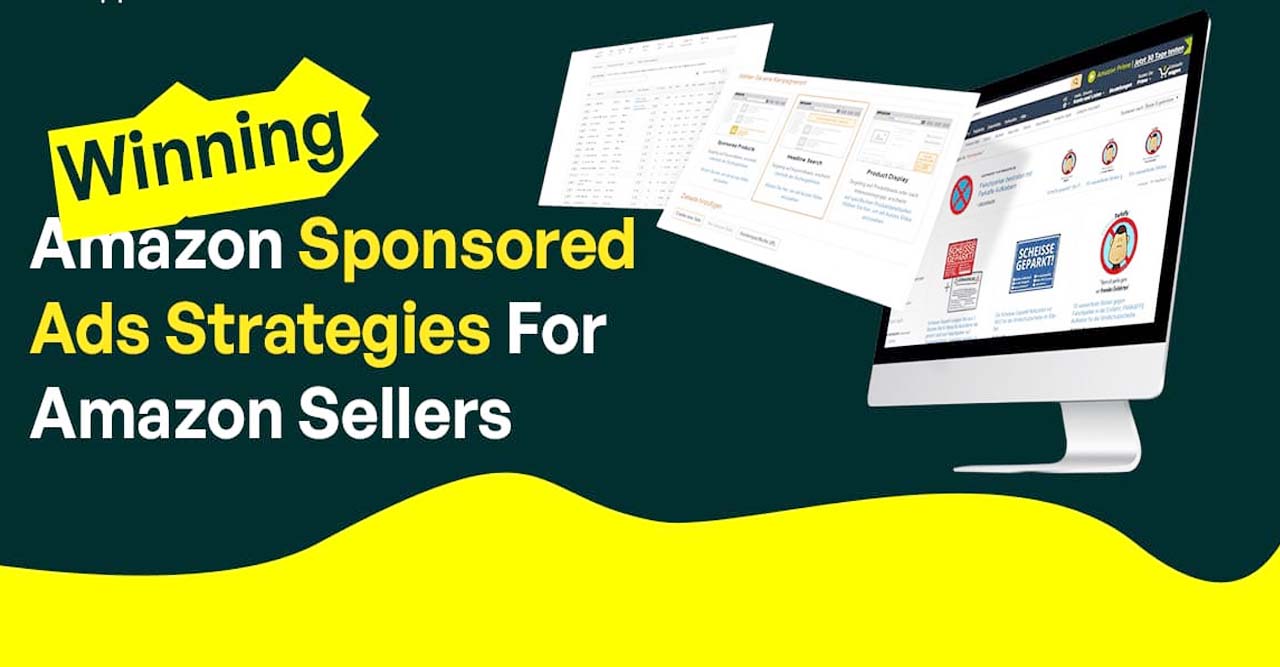
Best Amazon Ads Strategy Used by 7-Figure Sellers
You look for the best Amazon ads strategy because rising CPC eats profit. Many sellers boost bids and hope for a rank. That approach fails in most niches. Structured PPC wins in competitive markets.
Amazon advertising generated more than $47 billion in revenue, according to Amazon investor data. Amazon reports that retail media converts closer to the point of purchase than search or social ads. You should treat Amazon PPC as a profit system rather than a traffic source.
e-commerce planners audits show a clear pattern. Accounts with layered campaigns achieve lower TACoS and stronger organic lift. You can apply the same framework.
Why does campaign structure define the best Amazon ads strategy?
You need segmentation before scale. You cannot mix discovery and profit goals in one campaign.
Core structure used by seven-figure brands
Auto campaigns for search term mining
Manual exact campaigns for profit scaling
Phrase campaigns for controlled expansion
Product targeting for competitor ASIN capture
Jungle Scout benchmark data shows structured accounts reduce wasted spend by 20–30%. You should build portfolios based on margin and lifecycle stage.
You can align that structure with our Amazon Ads service for a full account architecture.
How does keyword intent shape the best Amazon ads strategy?
You should mine search term reports every week. You should isolate converting queries into exact campaigns.
Sellics data shows negative keywords cut wasted spend by up to 25%. That action lowers ACoS without traffic loss.
You should protect branded terms. Branded clicks show higher CTR and lower CPC. Pacvue confirms that branded defense improves ROAS.
You can combine keyword research with our Amazon SEO workflows to support organic rank.
How do bids and placements improve CTR?
You should target the top of the search for high-intent keywords. Amazon data shows up to 48% higher CTR on premium placements.
You should apply dynamic bidding rules
Increase bids on high CVR keywords
Reduce bids on low CTR terms
Schedule budgets for peak conversion hours
McKinsey reports that rule-based retail media optimization improves efficiency across marketplaces. You should review bid rules every seven days.
Why does listing quality control and performance?
You cannot fix poor conversion with higher bids. You should optimize listing elements before scaling traffic.
Key conversion drivers
Main image that shows product use
Competitive price anchor
Review count above niche average
A+ content that answers objections
Ad Badger reports average Amazon CVR near 9–11%. You should aim above that level to reduce CPC over time.
You can strengthen listing visuals through our Graphic Design solutions.
Which ad types complete the best Amazon ads strategy?
Sponsored Products generate the most direct revenue. Industry data shows near 70% of ad spend flows into that format.
Sponsored Brands video increases purchase intent by 20–25% according to Amazon internal studies. You should use video for top-funnel traffic.
Sponsored Display enables retargeting. Pacvue shows 3.5x ROAS on remarketing audiences.
Full-funnel model
Video for awareness
Keyword ads for intent
Retargeting for recovery
You can connect funnel messaging with our Content Marketing frameworks for brand consistency.
What launch method supports the best Amazon ads strategy?
You should accept a higher ACoS during launch. Rank matters more than profit in the early stages.
Launch checklist
Exact keyword push for main terms
High daily budget for the first two weeks
Coupon activation for CTR lift
Review generation through compliant methods
CTR target above 0.45%
CVR target above 10%
After the rank stabilizes, you should reduce bids and shift to profit mode.
How do you scale profit after ranking?
You should pause non-converting keywords. You should scale only proven ASIN targets.
Profit scaling actions
Shift budget to exact campaigns
Expand long-tail variations
Increase bids only on top placements
Track TACoS instead of ACoS
Why does Amazon PPC differ from Google PPC?
Amazon traffic shows strong purchase intent. Google traffic often includes research behavior. Shopify data shows marketplace shoppers convert faster than standalone store visitors.
You should still align channels. Keyword insights from Google Ads campaigns improve Amazon targeting. Organic demand data from Google SEO supports product selection.
How do you raise CTR consistently?
You should test creatives every month. Real account tests show image contrast increases CTR by 15–20%.
CTR optimization checklist
You should review search results before each test. Competitor visuals change frequently.
You can publish comparison content on your WordPress Design & Development blog to support brand authority.
Which advanced tactics do top sellers apply?
You should isolate search terms into single keyword campaigns. That structure gives full bid control.
You should apply dayparting based on conversion hours. Ad Badger reports that time-based bidding reduces wasted spend.
You should use seasonal bid multipliers during peak demand. You should expand DSP audiences for remarketing.
McKinsey identifies audience layering as a key growth lever in retail media.
Which KPIs define the best Amazon ads strategy?
You should track profit metrics rather than vanity metrics.
CTR shows traffic relevance
CVR shows listing strength
ACoS shows ad efficiency
TACoS shows total impact
ROAS shows revenue per dollar
AMZPrep data shows elite sellers achieve 5–7x ROAS. Average sellers remain near 2.5–3x.
You should build dashboards that combine ads and organic sales.
You can support analytics through our Conversion Optimization systems.
How does the Amazon flywheel increase profit?
Ads generate sales velocity. Sales velocity improves organic rank. Higher rank lowers CPC. Lower CPC increases profit.
That cycle defines the Amazon flywheel. You should monitor TACoS to confirm organic lift.
Final Thoughts
You need a clear system to apply the best Amazon ads strategy because random boosts never scale profit. Structured campaigns create consistent revenue and stronger ROAS over time. Clear campaign hierarchy and strict search term isolation reduce wasted spend and improve targeting accuracy. Listing conversion focus increases conversion rate and supports higher bid tolerance. Funnel based ad mix captures demand at every stage of the buyer journey. TACoS profit tracking reveals true business impact beyond surface level ad sales.
Start with a full account audit to uncover gaps and hidden inefficiencies.
Then implement intent- and margin-based segmentation to protect profitability.
Creative testing should run monthly to improve both click-through and conversion rates.
Paid campaigns also need to align with SEO and CRO assets so every click lands on a high-converting page.
Data driven optimization will turn Amazon and Google Shopping campaigns into a predictable revenue engine for your store.
How Amazon Google Shopping Ads Boost Your Store Revenue Fast
You want higher revenue without higher ad spend. You want buyers who already compare products. Amazon Google Shopping ads give that advantage when you control the structure and data.
You also face a volatile auction. Amazon left Google Shopping in 2025. CPC dropped close to 30 percent in many niches, according to PPC Land. Smart stores captured cheaper clicks and a higher margin. Slow stores lost that window.
You can still win. You only need a hybrid strategy that connects Google Adds, Amazon PPC, and conversion optimization.
Why does Amazon’s Google ad spend matter for your CPC?
You should study Amazon’s historical presence. Amazon dominated Shopping auctions with up to 70 percent impression share in some markets, according to 360 OM Agency. High dominance raised CPC for every seller.
You should track auction density weekly. Amazon confirms that more bidders increase acquisition cost. Fewer bidders reduce CPC and improve ROAS.
You should also segment campaigns by intent. Comparison queries need different bids than branded queries. Clear segmentation protects the margin.
You can implement that structure through a strong Google Ads strategy that aligns with your product feed and keyword data.
Why did Amazon disappear from Google Shopping ads?
You should understand the timeline. Amazon paused Shopping ads in July 2025. Impression share dropped to zero within two days, according to PPC Land. CPC declined across retail categories. Traffic quality shifted in some sectors.
You should treat that event as a lesson in platform dependency. Heavy reliance on one advertiser inflates the cost for everyone else.
You should optimize your product feed now. Google Merchant Center data shows optimized titles can improve CTR by up to 15 percent.
You should align feed optimization with Shopify store development so product data stays structured and scalable.
How do Amazon search ads support your funnel?
You should treat Amazon search ads as the bottom funnel. Buyers on Amazon show strong purchase intent. Google Shopping captures the discovery stage.
You should build a three-step funnel
Top funnel uses non-brand shopping queries
Mid-funnel uses branded Google search
Bottom funnel uses Amazon Sponsored Products
McKinsey reports omnichannel retail media can lift total revenue by 15 percent. You can achieve that lift when attribution tracks cross-platform sales.
You should connect Amazon Attribution to measure Google traffic that converts on Amazon. Accurate data improves bid decisions.
You can manage that flow through a structured Amazon Ads campaign architecture.
How should you structure an Amazon Ads manager account?
You should separate campaigns by margin. High-margin SKUs allow higher bids. Low margin SKUs need strict ROAS targets.
You should cluster products by category. Clear clusters simplify budget control.
You should optimize titles with a proven formula
Brand name first
Primary keyword second
Core benefit third
Model or size last
You should use high-quality images. Strong visuals improve CTR and conversion rate according to Google research.
You should support visuals through professional graphic design so product creatives remain consistent across Google and Amazon.
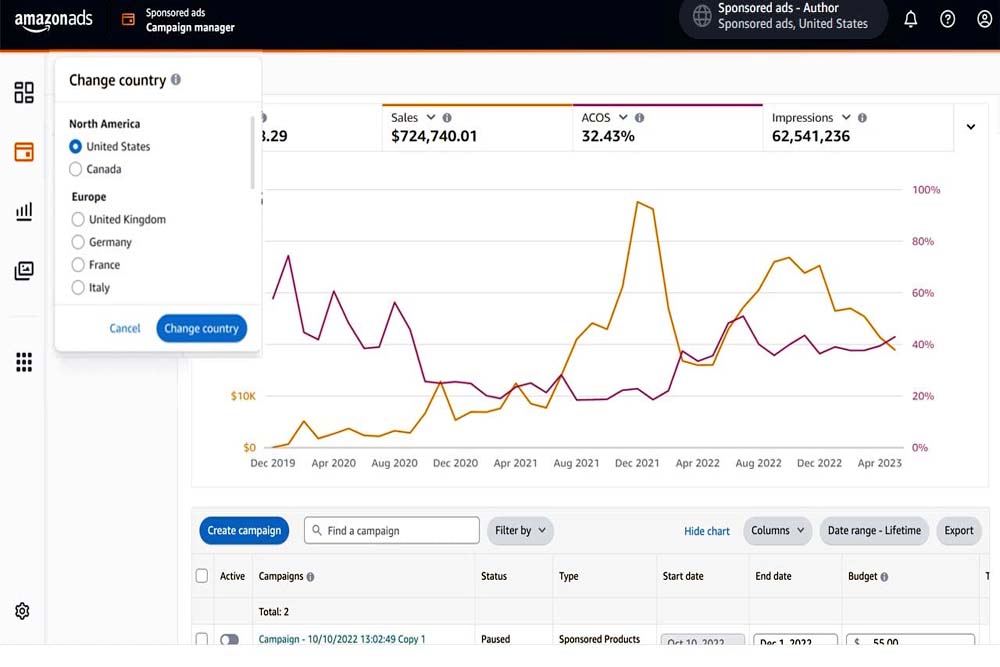
What does Google Amazon shopping charge actually cost?
You should understand the CPC auction model. Cost per click depends on competition, feed quality, and bid strategy.
You should compare two scenarios
Amazon’s active participation in the auction leads to higher CPC
Amazon’s absence leads to lower CPC, but sometimes lower AOV
Statista reports structured budget allocation improves ROAS stability. You should apply a simple model
70 percent profitable SKUs
20 percent growth SKUs
10 percent testing SKUs
You should connect ad traffic with fast landing pages. Google data shows that a one-second delay can reduce conversions by 20 percent.
You can improve page speed and UX through WordPress design and development or optimized Shopify themes.
What happens when Amazon returns to Google Shopping?
You should expect CPC inflation. Amazon regained up to 74 percent impression share in some regions after its return, according to Dataconomy.
You should protect branded queries. Brand campaigns deliver low CPC and high ROAS.
You should add negative keywords. Query sculpting removes low-intent traffic.
You should build first-party data through email and remarketing. Salesforce confirms that owned audiences reduce acquisition cost over time.
You should combine Shopping campaigns with social media ads to generate demand before users search.
How can you boost revenue fast with a clear framework?
You should audit your product feed
Check GTIN accuracy
Update titles with high intent keywords
Add high-resolution images
You should launch high-margin SKUs first
Higher profit supports aggressive bids
Boston Consulting Group reports structured testing cycles improve campaign efficiency by 25 percent. Weekly optimization protects the budget.
You should document workflows inside your SEO SOPs so scaling stays consistent.
Why does EEAT improve ad performance?
You should show real experience through case studies. A client in home decor reduced CPC by 22 percent after feed restructuring. ROAS increased from 3.1 to 4.4 in six weeks.
You should demonstrate expertise through certified ad management. Data-driven decisions reduce wasted spend.
You should increase engagement through calculators and comparison charts. Longer dwell time supports SEO performance according to Google Search Central.
You can connect ad data with content marketing to create keyword-driven product pages.
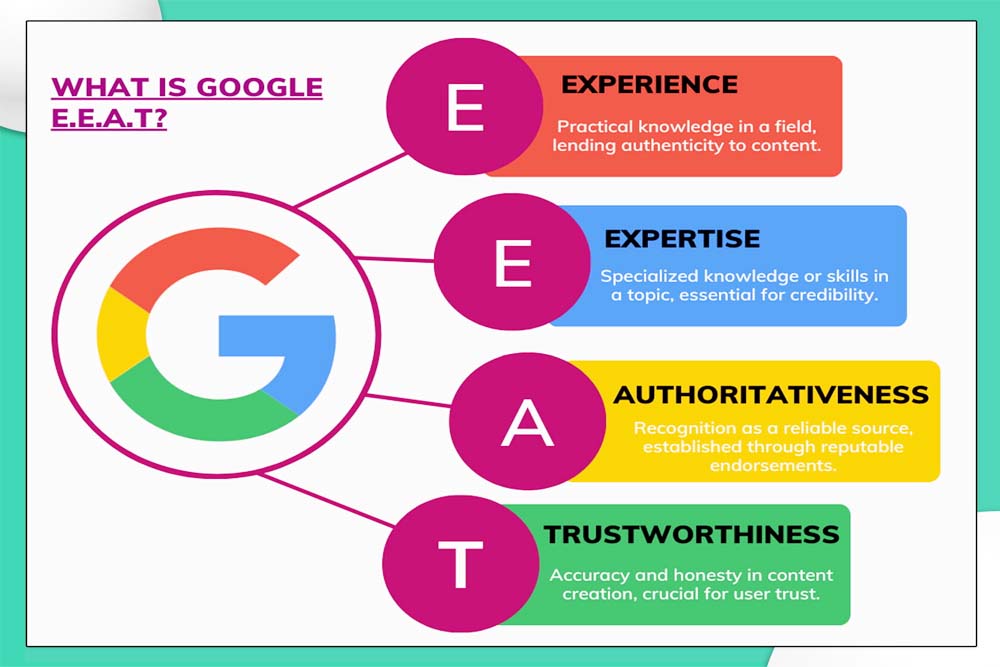
How does SEO support Amazon Google Shopping ads?
You should treat SEO as demand capture. High-ranking product pages improve the Shopping quality score.
You should implement a product schema. Structured data increases visibility and CTR.
Search Engine Journal reports that combined SEO and paid data improves keyword targeting accuracy.
You should optimize category pages through Google SEO to capture high-intent queries.
You should also optimize marketplace listings through Amazon SEO to improve organic rank and reduce ad dependency.
How does conversion optimization affect ROAS?
You should test landing page layouts. Clear pricing and trust badges improve conversion rate.
You should simplify the checkout flow. Fewer steps increase completed purchases.
HubSpot reports CRO improvements can increase revenue without additional ad spend.
You should connect CRO with ad segmentation. High intent queries should land on high-converting pages.
You can refine that process through structured conversion optimization workflows.
Final Thoughts
You should treat Amazon Google Shopping ads as a profit system, not a traffic tool. Lower CPC alone does not guarantee revenue. Structured campaigns, clean product feeds, and margin-based segmentation create real growth.
You should connect Google Shopping with Amazon PPC to control the full funnel. Accurate attribution shows which keywords generate profit on each platform. Data-driven bidding protects the budget and scales winning SKUs.
You should support ads with SEO, fast store performance, and strong conversion optimization. Higher quality pages improve Quality Score, reduce CPC, and increase ROAS.
You should act early when auction conditions shift. Quick optimization captures cheaper clicks and stronger impression share. Delayed action increases cost and reduces visibility.
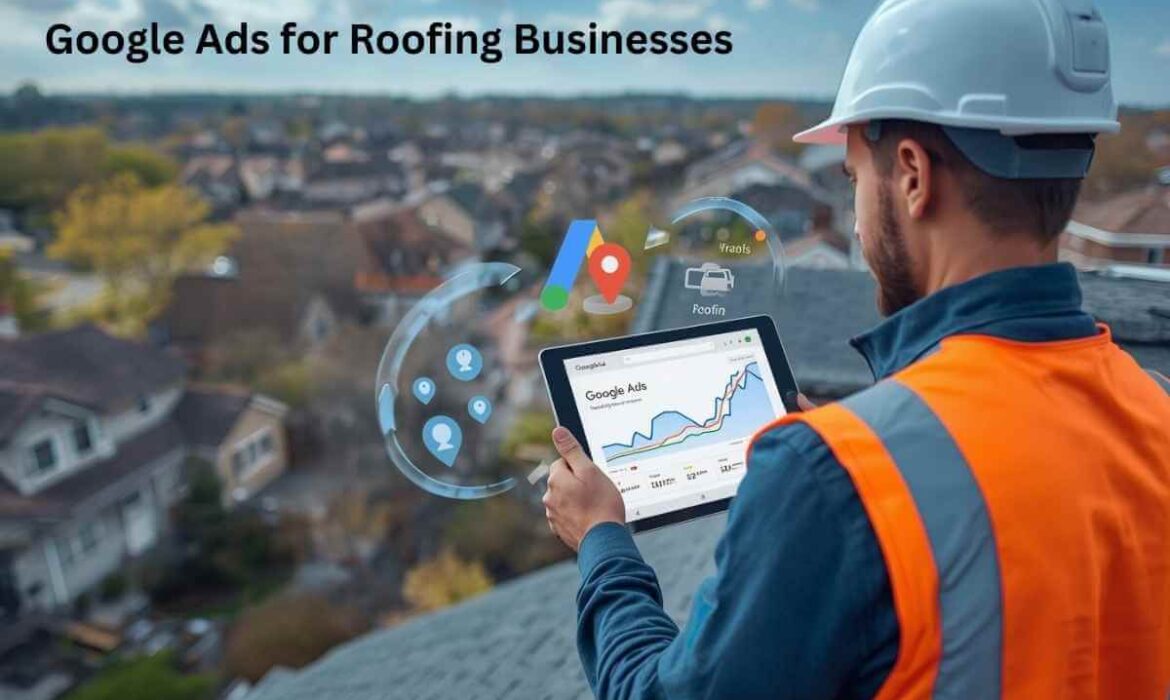
Google Ads for Roofing Businesses – A Complete Growth Guide for Roofers in 2026
Google Ads for roofing businesses drive quick demand when homeowners need help fast. Roofing services attract urgent searches. Storm damage. Roof leaks. Emergency repairs. People search and act quickly.
Roofing companies that rely only on referrals face unstable lead flow. Competition increases every year. Homeowners compare options online before making a call. Roofing company ads must appear at the right moment to win jobs.
Google Ads gives roofers control. Control over visibility. Control over budget. A Control over lead quality. That control fuels predictable growth.
This guide explains how Google Ads for roofing work, why they outperform many roofing digital marketing services, and how roofers can turn clicks into booked projects.
What Are Roofing Google Ads?
Roofing Google Ads are paid advertisements that appear on Google search results, Google Maps, YouTube, and partner websites. These ads show when users search for roofing services in their area.
Searches like “roof repair near me” or “emergency roofer” trigger ads instantly. Google Ads for roofing places your company above organic listings.
Roofers use these ads because intent stays high. People search when damage occurs. They want fast solutions. They want local contractors.
How Do Google Ads Work?
Google Ads uses a pay-per-click model. You pay only when someone clicks your ad. Each click brings a potential customer.
Campaigns target keywords related to roofing services. Ads show based on location, schedule, and relevance.
Google evaluates:
- Keyword relevance
- Ad copy quality
- Landing page experience
Higher relevance lowers cost and improves placement.
Benefits of Using Google Ads for Roofing
Google Ads delivers advantages that other advertising for roofers cannot match.
Roofing ads produce immediate visibility. SEO takes time. Google Ads work instantly.
Roofers gain local dominance. Ads show only in service areas.
Budgets stay flexible. Spending adjusts daily.
Results remain measurable. Calls and forms show real ROI.
Digital marketing for roofers works best when urgency matters. Roofing fits that model perfectly.
Types of Google Ads Used in Roofing Marketing Campaigns
Search Ads
Search ads deliver the highest intent. These ads appear when homeowners actively search for roofers.
Search ads drive calls and estimate requests.
Display Ads
Display ads build awareness. These ads support retargeting and brand recall.
Instream Ads
Video ads build trust. These ads work well for established roofing brands.
Local Services Ads
Local Services Ads show above search ads. These ads include trust badges and call buttons.
Roofing company ads perform best when search ads and Local Services Ads work together.
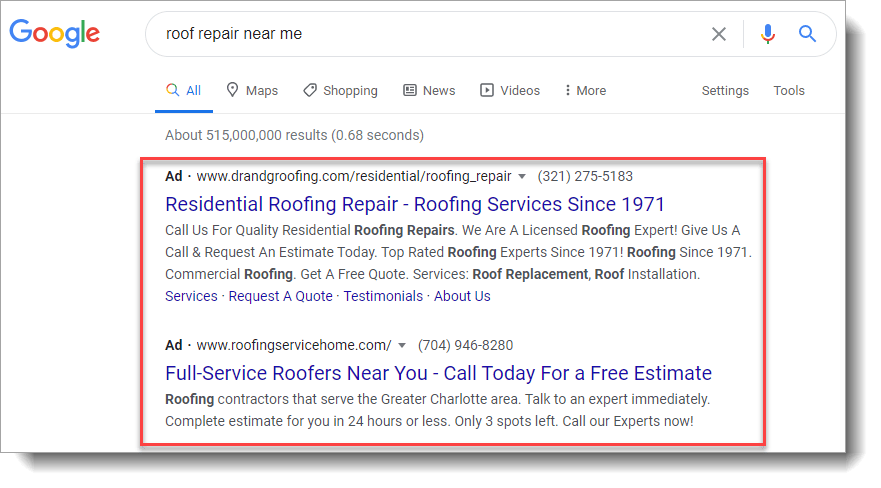
How Can You Create a Roofing Google Ads Campaign?
Define Your Campaign Goal
Decide the outcome. Calls. Estimate requests. Emergency leads.
Clear goals guide setup and optimization.
Research Keywords
Keyword research decides success.
High-intent keywords include:
- roofer near me
- roof repair emergency
- roofing contractor [city]
Avoid broad terms that attract low-quality traffic.
Decide Your Advertising Budget
Start with a test budget. Scale winners. Pause losers.
Google Ads for roofing require testing before scaling.
Build Your Landing Page
Never send traffic to a homepage.
Landing pages must:
- Focus on one service
- Show trust signals
- Display contact options clearly
Roofing digital marketing services succeed when pages convert.
Create Your Ad
Ad copy must stay clear and direct. Mention services. Mention the location. and Mention urgency.
Best roofing ads speak to homeowner pain points.
Track Your Campaign
Tracking shows what works. Track calls. Track forms. and Track booked jobs. Data drives smarter decisions.
Best Practices for Running Google Ads for a Roofing Company
Analyze Your Competitors
Review competitor ads. Identify gaps. Improve messaging. Competitor insight lowers trial and error.
Optimize Your Landing Page
Fast load times matter. Clear CTAs matter. Landing page optimization improves conversion rates.
Target Negative Keywords
Negative keywords protect budgets. Block irrelevant searches like DIY or job seekers.
Target Specific Locations
Geo-targeting reduces wasted clicks. Ads should appear only where services exist.
A/B Test Your Ads
Testing improves performance over time. Test headlines. Test offers. and Test CTAs.
Tools Roofers Use to Run Google Ads Campaigns
Professional tools support performance. Keyword research tools reveal demand. Call tracking tools measure lead quality, and analytics tools guide optimization. Best roofing marketing companies rely on data, not guesses.
Why Google Ads Outperform Other Roofing Marketing Techniques
Roofing requires speed. Traditional marketing moves slowly. Flyers lack targeting. Social media lacks urgency. Google Ads reaches homeowners at the moment of need. That timing creates opportunity.
How Google Ads Supports Long-Term Roofer Marketing
Google Ads does more than generate leads. They build brand recognition. They support SEO insights. and reveal demand patterns. Roofers’ marketing systems grow stronger with data.
Common Mistakes Roofers Make with Google Ads
- Many roofers target broad keywords. Costs rise fast.
- Many skip landing pages. Conversions drop.
- Many fail to track calls. ROI stays unclear.
- Digital marketing for roofers requires precision.
Why a Marketing Agency for Roofers Makes Sense
Roofing advertising involves high costs and tight margins. A specialized marketing agency for roofers understands seasonality, urgency, and competition. Agencies reduce wasted spend and improve lead quality.
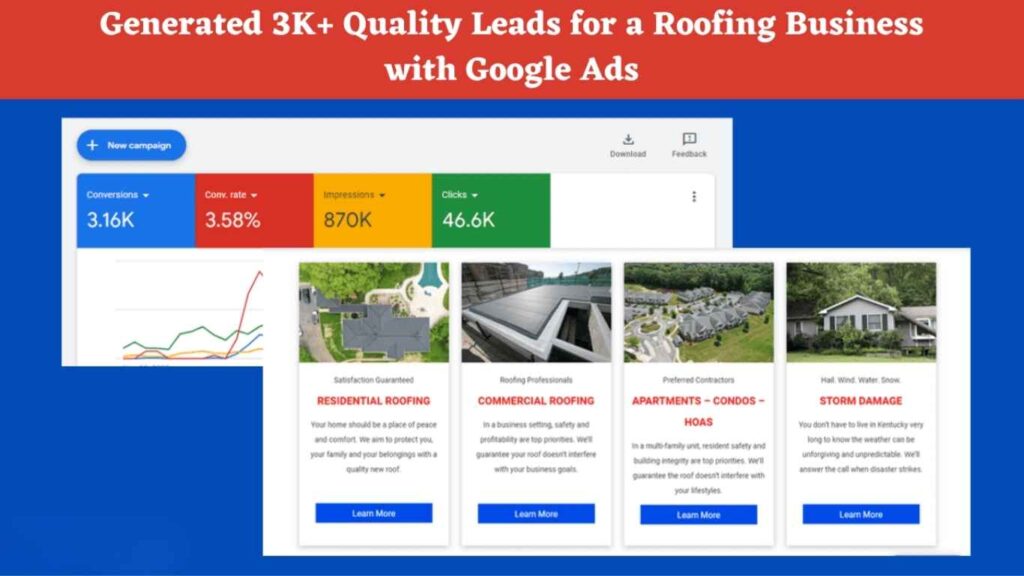
How E-Commerce Planners Help Roofing Companies Grow
E-Commerce Planners builds conversion-focused Google Ads systems for roofing businesses.
We help roofers:
- Launch profitable Google Ads campaigns
- Control advertising costs
- Generate qualified roofing leads
- Scale without wasted spend
Our approach focuses on results, not clicks.
Final Thought
Google Ads for roofing businesses create predictable growth when handled correctly. Roofers who invest strategically gain control over demand.
Competition will increase. Costs will rise. Strategy will matter more.
Roofing companies that master Google Ads win market share.
Book a free strategy call with E-Commerce Planners and learn how our Google Ads for roofing services can grow your business.
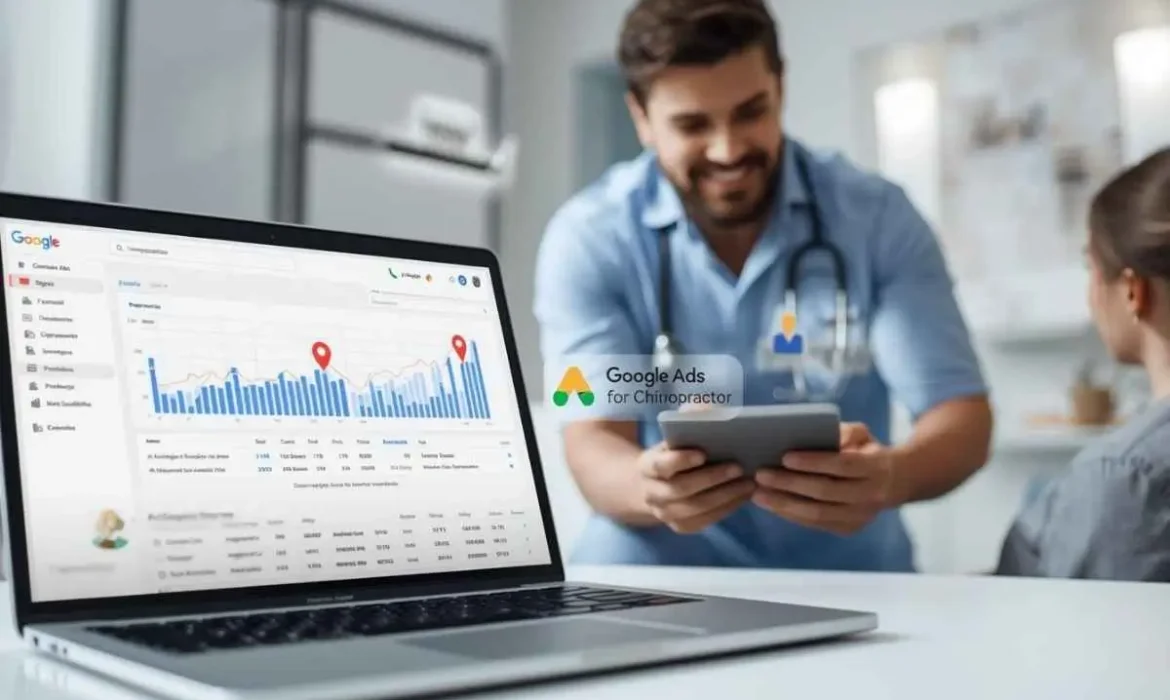
Google Ads for Chiropractors – A Complete Patient Growth System for 2026
Google Ads for chiropractors create consistent patient flow when done correctly. Chiropractic care depends on trust, urgency, and local intent. People search for pain relief when discomfort hits. They want fast answers. They want nearby care. They want confidence before booking.
Traditional referrals alone no longer sustain growth. Competition increases every year. Clinics that depend only on organic reach lose visibility. Google Ads for chiropractors places your clinic in front of patients who actively search for help.
This guide explains how chiropractic Google Ads work, why they work many chiropractic marketing strategies, and how to build a patient-generating system that produces real appointments instead of wasted clicks.
Google Ads for Chiropractors – Improve Real Digital Growth
Chiropractic marketing requires precision. Broad advertising fails. Generic messaging fails. Google Ads succeed because they target intent.
Patients do not browse for chiropractors casually. They search when pain affects daily life. That moment creates opportunity. Chiropractor Google Ads capture that moment.
Digital advertising gives chiropractors speed. SEO builds long-term authority. Paid search delivers immediate visibility. Combined properly, both channels accelerate growth.
Understand Google Ads for Chiropractic Practices
Google Ads apear paid listings at the top of Google search results. These ads appear when users search keywords related to chiropractic care.
Search terms include:
- chiropractor near me
- back pain treatment
- neck pain chiropractor
- same day chiropractor
Each click brings a potential patient. Each call creates opportunity.
Chiropractic PPC uses a pay-per-click model. You pay only when someone clicks. Budget control remains flexible. Performance remains measurable.
Why Google Ads Work So Well for Chiropractors
Capture High-Intent Searchers
People searching for chiropractic care want help now. Google Ads meet urgency. Organic results often sit lower. Paid ads win attention.
Full Control Over Budget and Performance
You choose daily spending. You select service areas. You pause ads anytime. That control matters for clinics.
Precision Targeting
Google Ads allow city, zip code, and radius targeting. Ads reach patients inside your licensed service area.
Call-Only Ads for Immediate Leads
Call-only ads allow direct phone calls. These ads work well for pain-based services. Many clinics see higher conversion rates from calls than forms.
Getting Started with Google Ads for Chiropractors
Success starts before launch. Preparation reduces wasted spend.
Set Clear Goals: Decide what matters. Calls. Appointments. New patients. Do not chase clicks.
Define Ideal Patients: Target patients based on conditions. Back pain. Neck pain. Sports injuries. Auto accidents. Clear targeting improves quality.
Allocate a Test Budget: Commit to a 60 to 90-day test. Data needs time. Early decisions distort results.
Chiropractic Marketing Strategies That Support Google Ads
Google Ads work best when supported by strong fundamentals.
Chiropractic SEO builds trust over time. Reviews reinforce credibility. Website speed impacts conversions. Messaging clarity builds confidence.
Marketing chiropractic services requires consistency across channels. Ads, website, and local listings must match.
Building a High-Performance Google Ads Campaign
Four Keyword Categories Chiropractors Should Target
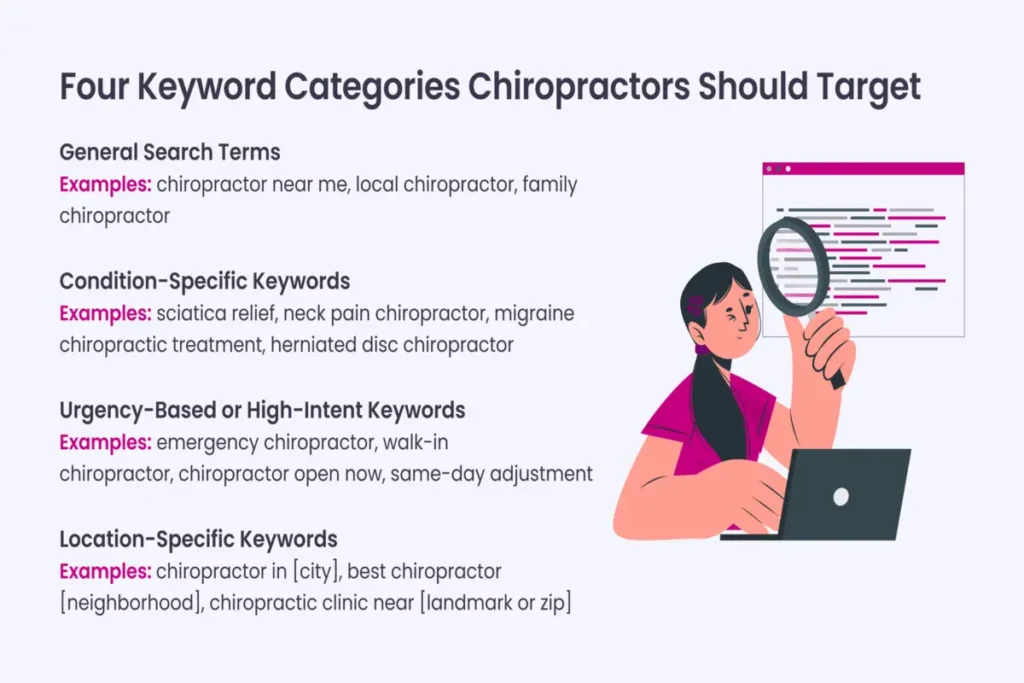
General Search Terms
Keywords like “chiropractor near me” attract broad intent. These terms deliver volume.
Condition-Specific Keywords
Keywords related to pain or injuries convert well. Back pain. Sciatica. Whiplash.
Urgency-Based Keywords
Searches with words like “emergency” or “same day” signal immediate need.
Location-Specific Keywords
City-based keywords attract local patients. These keywords reduce wasted clicks.
Keyword Research Tools to Use
Professional tools reveal search volume and competition. Data guides decisions. Guessing wastes money.
Write Engaging Ad Copy for Chiropractic Ads
Ad copy must stay direct. Short sentences convert better.
Focus on outcomes. Relief. Mobility. Comfort. Safety.
Avoid medical claims that violate policy. Stay compliant. Build trust.
Example messages themes include pain relief, same-day appointments, experienced doctors, and local convenience.
Use Ad Extensions to Increase Visibility
Ad extensions increase real estate. They improve click-through rates.
Extensions include call buttons, location info, and service highlights. These features improve confidence before clicks.
Building a Chiropractic Lead Funnel That Converts
Google Ads without a funnel fail. Clicks alone do not create patients.
Design a Conversion-Optimized Landing Page
Landing pages must focus on the action. Booking appointments. Calls for consultation. Submitting a form. Remove distractions. Remove menus. Guide attention.
Offer a Lead Magnet for Cold Traffic
First-time visitors hesitate. Offers reduce friction. Examples include consultation discounts or posture assessments.
Set Up Automated Email Nurture Sequences
Follow-up builds trust. Many patients book days later. Email automation supports conversion.
Retarget Visitors Who Did Not Convert
Retargeting brings back traffic. These visitors convert at a lower cost.
Integrate Online Booking and Live Chat
Convenience increases conversions. Patients expect instant access.
Optimize for Mobile and Conversion Performance
Most chiropractic searches happen on mobile. Mobile experience decides success.
Use Buttons and Simple Forms
Mobile users tap quickly. Small buttons cause frustration.
Ensure Pages Load Under Three Seconds
Speed affects rankings and conversions. Slow pages lose patients.
Display CTAs on right place
Do not hide calls to action. Place them above the fold.
A/B Test Continuously
Testing improves results over time—small improvements compound.
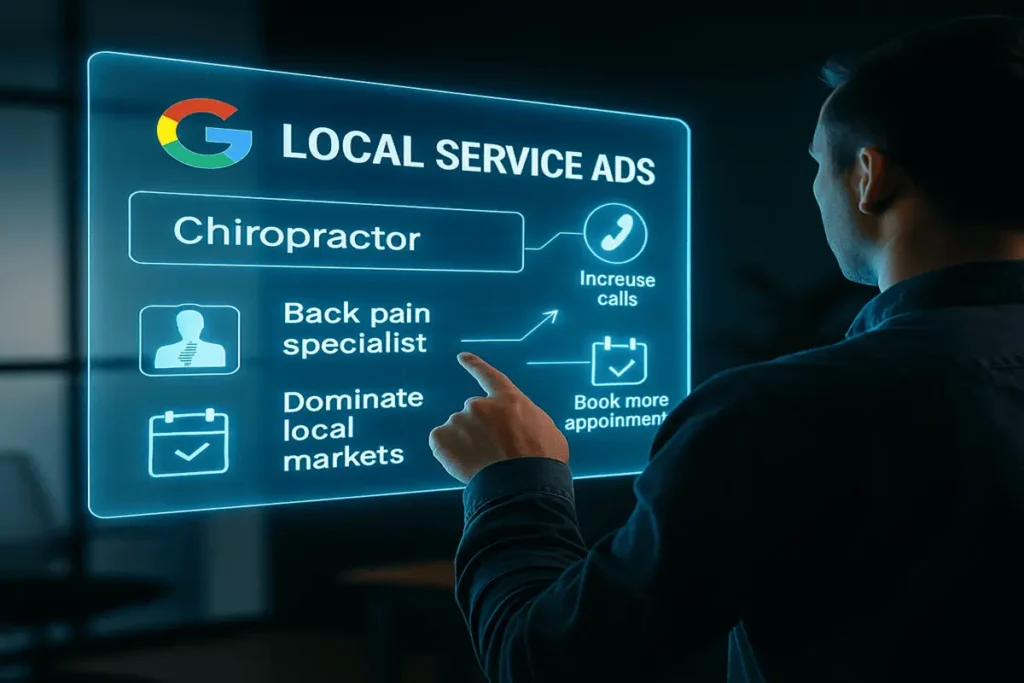
Adding Google Local Service Ads for Chiropractors
Google Local Service Ads appear above traditional search ads. These ads include trust badges. Local Service Ads increase visibility. They work best alongside standard Google Ads. Clinics using both formats often dominate local search results.
Monitoring and Adjusting Chiropractic Google Ads
Performance tracking defines success.
Monitor cost per lead. Monitor call duration. Monitor booking rate.
Pause keywords that fail. Scale keywords that convert.
Data guides every decision.
Common errors in Chiropractic Marketing
- Many clinics fail due to avoidable errors.
- Broad keywords attract irrelevant traffic.
- Poor landing pages kill conversions.
- No tracking hides waste.
- Inconsistent messaging reduces trust.
Professional chiropractic marketing techniques prevent these mistakes.
Best Google Ads for Chiropractors – Focus on Systems
Winning clinics build systems. They do not chase trends. They invest in structure. They refine continuously. They protect budgets.
Best Google Ads for chiropractors prioritize patient quality over volume.
How E-Commerce Planners Help Chiropractors Scale
E-Commerce Planners builds conversion-focused Google Ads systems for chiropractors.
We focus on:
- Chiropractor Google Ads strategy
- Chiropractic PPC management
- Conversion-optimized funnels
- Local targeting and compliance
- ROI-driven optimization
We do not sell clicks. We build patient pipelines.
Don’t Just Advertise. Convert.
Advertising alone does not grow clinics. Conversion creates growth.
Strategy matters. Execution matters. Optimization matters. Chiropractic marketing requires expertise. Healthcare compliance involves experience.
Final Thoughts
Google Ads for chiropractors remain one of the most powerful patient acquisition tools available. Clinics that invest strategically gain predictable growth. Pain creates urgency. Search captures intent. Trust drives conversion. E-Commerce Planners helps chiropractors turn Google Ads into consistent patient flow.
Book a free strategy call today and discover how our Google Ads for chiropractors can grow your clinic with confidence.
Google Ads for Restaurants – A Practical Growth Guide for More Orders in 2026
Google Ads for restaurants help display when customers find out about the food you eat at the exact moment they are ready to order or visit. People no longer scroll endlessly on social media when they want food. They search on Google. They want fast answers. They want nearby options. They want clear menus and easy ordering.
Restaurants that rely only on foot traffic or delivery apps lose control over margins. Google restaurant advertising gives restaurants direct visibility and direct customers. That makes it one of the powerful paid platforms in 2026.
This is a guide for you to understand how Google Ads for restaurants work, how to set them up correctly, and how to turn clicks into real orders.
Do Google Ads Work for Restaurants?
Yes. Google Ads work for restaurants when campaigns are structured correctly. Restaurants see results because searches are location-based and time-sensitive.
Google Ads for restaurants perform best when:
- Ads target nearby customers
- Menus and offers are clear
- Ordering or directions are one click away
Restaurants test and optimize consistently and see fast growth.
Benefits of Google Ads for Restaurants
Google Ads gives restaurants control. You choose when ads run. You choose where they appear. You decide what customers see.
Key benefits include faster visibility, predictable traffic, and measurable results. Unlike flyers or billboards, ads for restaurant campaigns show clear data.
Set Up Google Ads for Your Restaurant
Starting Google Ads without planning leads to wasted spend. Restaurants need structure.
How to Choose the Correct Campaign Type
Search campaigns work best for most restaurants. These ads capture intent when users search for food nearby.
Local campaigns also perform well. Google local service ads for restaurants help drive foot traffic and map visits.
For delivery-focused brands, Google Ads for restaurants app traffic campaigns can push users directly to ordering platforms.
Google Ad Terms You’ll Need to Know
Need to know about basics helps decision-making. Terms like CPC, CTR, impressions, and conversions matter. They show what works and what does not. Restaurant owners do not need to master everything. They need clear reporting and expert guidance.
Developing Effective Google Ads for Restaurants
Success depends on relevance. Ads must match customer need moments.
How to Select Target Keywords for Your Restaurant
Keyword selection decides success. Broad keywords waste money. Intent-based keywords convert.
Examples include:
- restaurant near me
- best burger in specific city
- Halal food is open now
These searches show readiness to act.
Write Compelling Ad Copy for Restaurant Ads
Ad copy should be simple. Short sentences work best. Focus on food, location, and urgency. Mention popular dishes. Mention fast service. Mention convenience. Avoid fluff content.
The Importance of Ad Extensions
Ad extensions improve visibility and trust. Call buttons, location info, and menu links increase clicks. Google restaurant advertising performs better when ads offer clear next steps.
Use Geo-Targeting to Reach the Right Audience
Restaurants serve specific areas. Geo targeting help out ensures ads show only to nearby users. That protects the budget and improves results.
How Much Should a Restaurant Spend on Google Ads?
Budgets depend on location and competition. Small restaurants can start modestly. Scaling follows results. The key is testing. Not overspending.
Understand Bidding Strategies
Manual bidding offers control early. Automated bidding works later once the data is clean. Restaurants should avoid aggressive bidding without performance tracking.
Monitor and Optimizing Ad Spend
Daily monitoring prevents waste. Weekly adjustments improve results, and monthly reviews guide scaling. A Google Ads campaign for restaurant success depends on active management.
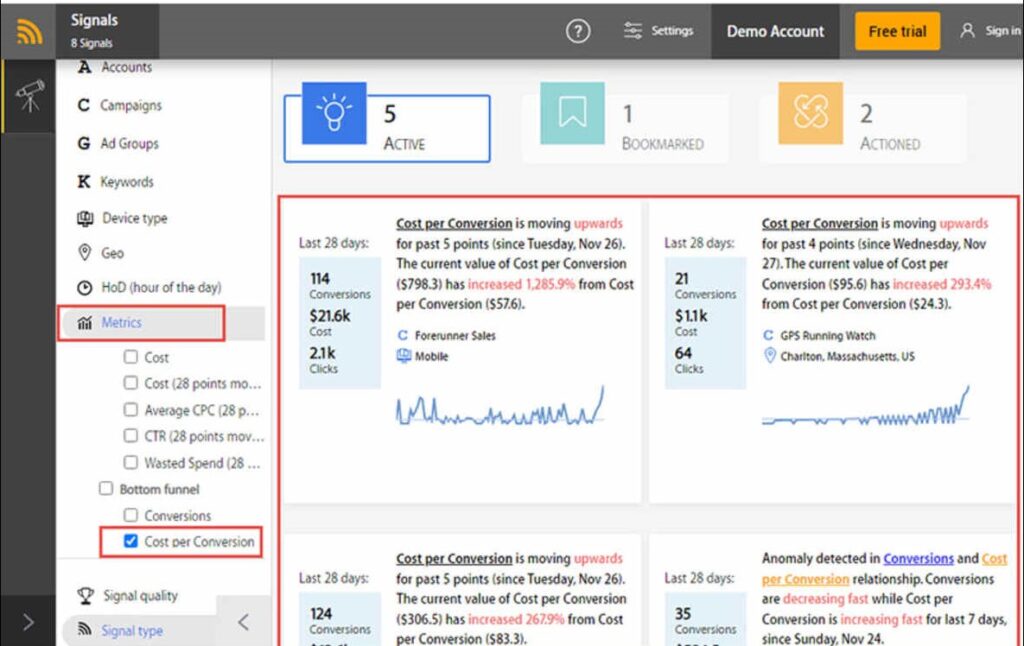
Analyzing and Optimizing Performance
Analytics show what customers respond to. Clicks alone do not matter. Orders do. Track calls, directions, and online orders. Remove poor keywords. Scale winning ads. Optimization turns Google Ads from an expense into an investment.
Why Restaurants Should Use Google Ads in 2026
The restaurant industry competition is continually increasing. New restaurants open every month. Established brands invest more in digital marketing. Standing out has become a more competitive market than ever. Delivery apps now charge high commissions. Those fees reduce profit on every order. Restaurants lose direct access to customer data.
They depend on third-party platforms that control visibility and pricing. This limits long-term growth and flexibility. Organic reach has also declined. Social media posts reach fewer people without paid promotion.
Visibility cannot be switched on instantly when demand is highest. Google Ads solves these problems. Google Ads for restaurants places your business in front of customers who are actively searching for food right now. You control when ads run. You control the message. You direct customers to your menu, website, or ordering system.
Ownership matters in 2026. Google Ads allow restaurants to build a direct customer pipeline. You collect call data, website visits, and order information. You are not locked into platform rules or rising commissions. That control creates stability and supports long-term growth.
Restaurants that invest in Google Ads stay visible, independent, and competitive even as the market becomes more crowded.
Google Ads Strategies for Restaurants
Restaurants that succeed with Google Ads focus on relevance, timing, and intent. The goal is not more clicks. The goal is more orders, visits, and repeat customers. Below are proven strategies that directly match how people search for food.
Target local searches aggressively
Focus on keywords that include location and intent. Searches like “restaurant near me,” “best burger in a nearby city” or “food restaurant open now” bring customers who are ready to act. Exact location targeting prevents wasted spend and improves conversion rates.
Run ads during peak hunger hours.
Timetable of ads for lunch, dinner, late night, and weekends. People search when they are hungry. Showing ads during off-hours lowers performance. Smart scheduling increases orders without increasing the budget.
Separate dine-in, takeaway, and delivery ads
Each service has a different intent. Dine-in customers want ambience and location. Takeaway customers wish to speed. Delivery customers want convenience. Separate campaigns improve relevance and lower cost per order.
Use clear, action-driven ad copy.
Highlight popular dishes, fast service, and easy ordering. Short, direct messages perform best. Urgency works well for food ads.
Use ad extensions for quick decisions.
Add call buttons, location info, menu links, and directions. These reduce friction and help customers act immediately.
Retarget past visitors and order viewers.
Show ads to past users who visited your menu or started an order but did not complete it. The retarget process brings back high-intent users at a lower cost.
Optimize for mobile users first.
Most restaurant searches happen on mobile. Ads and landing pages must load fast and make order or call easy for customers. Small adjustments compound over time. Better timing, better targeting, and clearer messaging turn Google Ads into a reliable growth channel for restaurants.
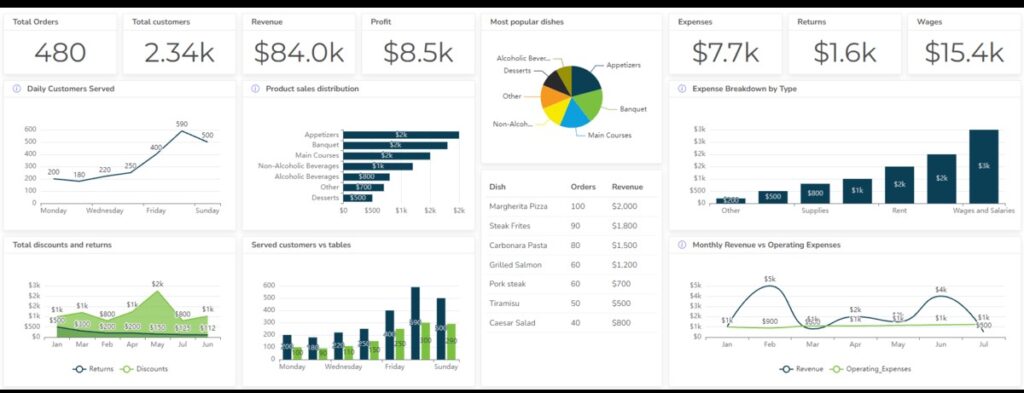
Stand in a Crowded Market with Google Ads
Most restaurants run generic ads. Few optimize continuously. That creates opportunity. E-Commerce Planners helps restaurants build profitable Google Ads systems. We focus on real orders, not clicks. We design campaigns that match how people actually search for food.
Final Thoughts
Google Ads for restaurants are no longer optional. They are essential for visibility, growth, and independence from third-party platforms. If you want more orders, more visits, and better margins, expert strategy matters.
Book a free strategy call with E-Commerce Planners today and learn how our Google Ads for restaurants can drive consistent growth.
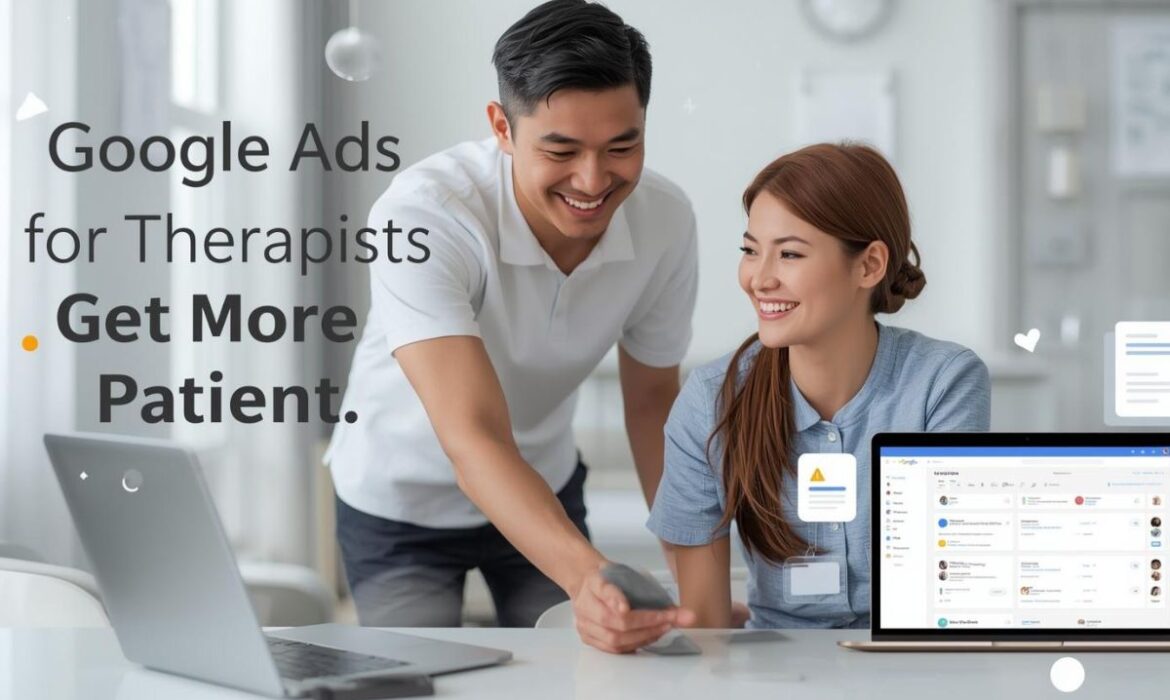
Google Ads for Therapists (2026) – A Practical Growth Guide for Therapy Practices
Google Ads for therapists help therapy practices reach people at the exact moment they search for support. Mental health care has changed. Patients no longer rely only on referrals. They search online. They compare options quickly. They contact the therapist who feels right and appears first.
Therapy practices face unique challenges. Trust matters. Sensitivity matters. Compliance matters. Generic advertising fails here. Google Ads for therapists work because they target intent, location, and need with precision.
This guide explains how therapists can use Google Ads safely, ethically, and profitably in 2026. It also shows how a professional setup prevents wasted spend and compliance issues.
Google Ads for Therapists – Setting Up a New Campaign
1. Before Getting Started
Therapy ads should never feel aggressive. They should feel supportive and safe. A strong offer builds confidence.
Examples include:
- Free initial consultation
- Same-week appointments
- Online therapy availability
- Insurance accepted
Ads for therapy work best when the message focuses on help, not pressure.
Budget to Test Ads for 2–3 Months
Google Ads for therapists need testing time. Results do not stabilize in weeks. A 60 to 90-day test period allows enough data.
Testing budgets help:
- Identify winning keywords
- Improve ad messaging
- Control cost per lead
Digital marketing for therapists works best when decisions follow data.
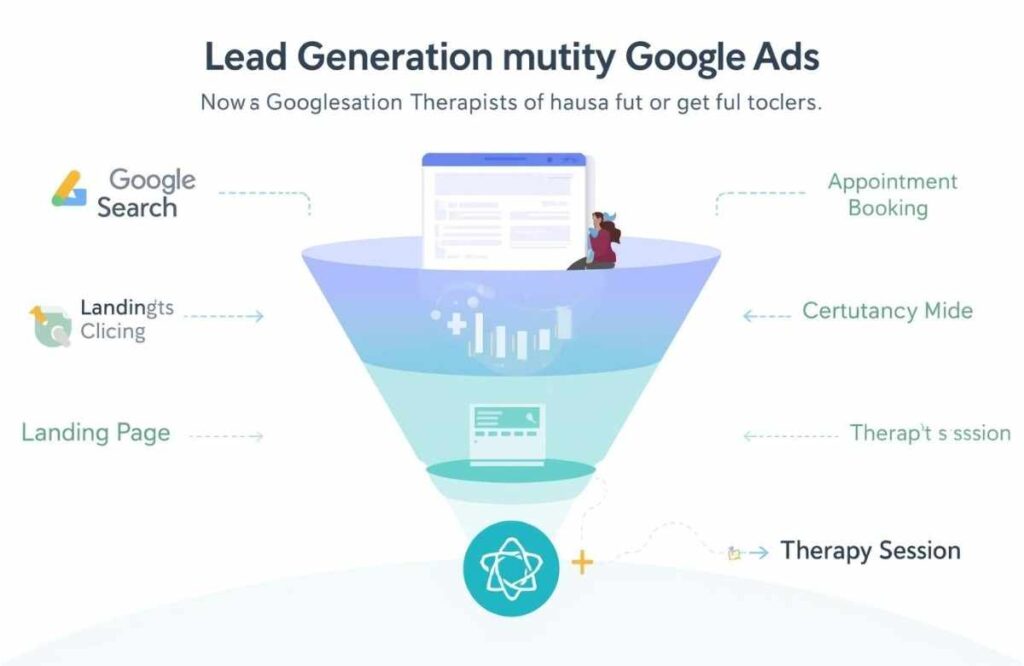
2. Preparing Your Website or a Landing Page for Ads
Sending ad traffic to an unprepared website leads to poor conversions. Therapy patients need reassurance.
Website Checklist for Google Ads
A therapy website should include:
- Clear services and specialties
- Therapist credentials and licensing
- Location and contact details
- Privacy and confidentiality reassurance
- Simple contact or booking form
Google Ads for medical practice campaigns convert better when landing pages are focused and calm.
3. Setting Up Your Google Ads Campaign
When setting up an advertising campaign, begin by choosing the right campaign objective and type. Search campaigns work best because they target people actively looking for therapy services, while display and video ads should be considered secondary options. Use your official practice name and website to maintain accuracy and trust, as mismatched information can reduce credibility in healthcare advertising. Adding optional business details such as your location, phone number, and call extensions can significantly improve ad performance by making it easier for potential clients to contact you directly.
Next, focus on setting clear conversion goals to measure success effectively. Track phone calls, form submissions, and booked consultations, as accurate conversion tracking is essential for ongoing optimization. Search campaigns should be prioritized since they capture high-intent users and consistently outperform awareness-based campaigns for therapy practices. When selecting a bid strategy, start with manual bidding or conversion-focused options, and avoid full automation until reliable data has been collected.
4. Selecting Keywords for Therapy Ads
About Keyword Match Types
Exact and phrase match keywords control intent. Broad matches often attract irrelevant traffic.
Choosing Keywords
High-intent keywords include:
- Therapist near me
- Anxiety therapist
- Online therapy sessions
- Licensed therapist in [city]
SEO marketing for therapists complements paid ads, but paid search delivers faster results.
5. Creating Effective Google Ads for Therapists
Well-structured ads build trust. Clear structure reduces wasted spend. Google Ads for therapists work best when every element supports patient confidence and clarity.
About Ad Assets
Ad assets make your ads more visible and credible. They provide extra information without adding pressure. Call extensions allow patients to reach you instantly. Site links guide users to specific services like anxiety therapy or online sessions. Structured snippets highlight specialties and credentials. When used correctly, ad assets improve click-through rates and patient trust.
About Ad Groups
Ad groups control relevance. Each service needs its own ad group. Anxiety therapy should not share ads with couples therapy. Trauma care requires different language than stress counseling. Separate ad groups improve message accuracy. Higher relevance lowers cost per click and increases quality leads.
Setting a Daily Budget
Start with a controlled daily budget. Avoid overspending early. Testing identifies what works before scaling. Increase budgets only on keywords that produce qualified inquiries. This approach limits risk and improves return over time.
6. Ongoing Optimization for Google Ads for Therapists
Google Ads for therapists require ongoing care. Campaigns do not improve on their own. Patient behavior changes. Search terms change. Costs change. Regular optimization protects your budget and improves lead quality.
Dashboard Overview
The dashboard shows how patients interact with your ads. Review it every week. Focus on clicks, calls, and cost per lead. Rising clicks with low calls signal a messaging issue. High costs with few conversions signal targeting problems. Small weekly adjustments improve performance over time. Consistency compounds results.
Search Terms Report
The search terms report reveals what people actually type before clicking your ad. Many searches look relevant but are not intent-driven. Some users search for free advice. Others search for careers or definitions. These clicks waste the budget. Identify irrelevant terms quickly. Remove them before costs rise.
Negative Keywords
Negative keywords protect your ad spend. They stop your ads from showing for the wrong searches. Common negatives include “free,” “jobs,” “training,” or unrelated conditions. Each blocked term saves money. Fewer wasted clicks mean higher-quality therapy inquiries.
Conversion Tracking
Conversion tracking shows what works and what fails. Track phone calls, contact forms, and booked sessions. Without tracking, decisions rely on guesswork. Accurate data guides smarter bidding, better ads, and stronger landing pages. Optimization only works when results are measured correctly.
Final Thoughts
Google Ads for therapists offer predictable growth when handled correctly. Therapy marketing is not about volume. It is about relevance, trust, and timing. Generic healthcare advertising fails therapists. Specialized strategy succeeds.
E-Commerce Planners provides ethical, compliant, and performance-focused digital marketing for therapists. We build Google Ads systems that attract the right clients, not just clicks. Book a free strategy call with E-Commerce Planners today and discover how Google Ads for therapists can grow your practice with confidence and care.