



10 Common Mistakes Amazon Sellers Make
Common Mistakes Every Amazon Seller should avoid
Amazon provides a convenient, accessible platform for shopping, offering a wide range of products from various categories. It allows customers to compare prices and features easily, making it easier to find the products they want at competitive prices.
In addition, Amazon Seller Mistakes convenient delivery options, allowing customers to receive their purchases without leaving their homes. The company also offers various customer service options, such as live chat and phone support, to ensure a smooth and satisfying shopping experience.
Amazon is one of the biggest e-commerce platforms in the world and offers a wide range of opportunities for sellers to profit by selling their products online. However, many sellers need to make better mistakes that negatively impact their sales and overall success on Amazon.
This article will discuss 10 common mistakes that Amazon sellers often make and how to avoid them.
Not understanding Amazon’s algorithms and policies
Amazon constantly updates its algorithms and policies, and sellers must stay updated and adhere to them. Ignorance of these policies can lead to the suspension of an Amazon seller account.
To guarantee a consistent and fair marketplace for its customers and sellers, Amazon employs algorithms and policies. You can get more information about Amazon’s algorithms and regulations by contacting customer service at Amazon. The Help and Policies pages on Amazon’s website, among other resources, can provide further information and direction on their policies.
Ignoring customer feedback
Feedback from customers is valuable as it provides insights into their opinions and experiences with your products. Negative feedback can be used to improve your products and customer service.
Customers frequently feel that their ideas and concerns need to be heard, so ignoring consumer feedback can harm firms. Customers may become less satisfied and less loyal and may even choose to do business with competitors.
Improper product listing
A well-structured product listing with complete and accurate information is crucial for attracting customers. Product information, such as incorrect product titles or descriptions, can harm your sales and impact your search engine optimization (SEO) efforts.
E-commerce sites like Amazon frequently have monitoring and removal systems for incorrect product listings. The platform may remove incorrect listings, and the vendor may suffer consequences like suspending their account or paying a fee.
Overpricing or underpricing products
Pricing is one of the most critical factors in determining the success of a product on Amazon. Overpricing can lead to low sales and less profit, while underpricing can negatively impact the perceived value of your products.
It’s essential for sellers to carefully research the prices of similar products and consider factors such as production costs, market demand, and competition when determining the price of their products. This can help ensure that the prices are fair and competitive and can help maximize profits for the seller.
E-commerce platforms may occasionally use algorithms to automatically change pricing in response to changes in the market and other variables. Although these algorithms can assist in preventing overpriced or underpriced items, it is still crucial for sellers to frequently review their prices and make any necessary adjustments.
Failing to optimize product titles and keywords
Product titles and keywords play a crucial role in determining the visibility of your products in Amazon’s search results. Neglecting to optimize these elements can result in low visibility and fewer sales.
Failing to optimize product titles and keywords can negatively impact a seller’s visibility and sales on an e-commerce platform. Product titles and keywords help customers find products they are searching for, and they also play a role in determining a product’s ranking in search results.
Not using high-quality images and videos
Images and videos are crucial to product listings as they provide customers with a visual representation of the product. Quality images or a lack of images can positively impact the perceived value of your products and lead to fewer sales.
Not using high-quality images and videos can negatively impact a seller’s sales on an e-commerce platform. High-quality images and videos can help customers better understand and evaluate a product, and they can also help increase a product’s visibility and appeal.
Failing to use Amazon’s advertising and promotion tools
Amazon offers various advertising and promotion tools to help sellers reach more customers and increase sales. Not utilizing these tools can result in lower visibility and fewer sales.
Failing to use Amazon’s advertising and promotion tools can limit a seller’s visibility and sales on the platform. Amazon offers various advertising and promotion tools, such as sponsored product ads and lightning deals, that can help increase a product’s visibility and drive sales.
Not regularly monitoring competitors
Monitoring competitors is essential in understanding their strategies and making informed decisions about your products. Refrain from monitoring your competitors to avoid missed opportunities and decreased competitiveness in the market.
Not regularly monitoring competitors can limit a seller’s ability to compete effectively on an e-commerce platform. Monitoring competitors can provide valuable insights into market trends, customer preferences, and pricing strategies.
Failing to provide excellent customer service
Providing excellent customer service is critical in building trust and customer loyalty. Failing to respond promptly to customer inquiries or complaints can result in negative feedback and harm your reputation.
Failing to provide excellent customer service can negatively impact a seller’s reputation and sales on an e-commerce platform. Customers expect prompt, professional, and helpful service, and a failure to deliver this can result in decreased customer satisfaction and loyalty.
By providing excellent customer service, sellers can build positive customer relationships, increase customer satisfaction and loyalty, drive more sales, and grow their business on the platform.
Ignoring the importance of product reviews and ratings
Product reviews and ratings play a crucial role in determining the success of your products on Amazon. Negative reviews can harm your sales and reputation, while positive reviews can boost your sales and credibility.
Ignoring the importance of product reviews and ratings can negatively impact a seller’s sales on an e-commerce platform. Product reviews and ratings provide valuable feedback for both the seller and potential customers and can influence purchasing decisions.
By paying attention to product reviews and ratings, sellers can improve their products and customer experience, ultimately drive more sales and grow their business on the platform.
Final Thoughts
In conclusion, Amazon has revolutionized how consumers shop for products, providing a vast and convenient platform for customers to purchase items from various categories. From competitive pricing to an extensive selection of products,
Amazon offers numerous benefits to consumers. The company’s focus on customer satisfaction, through its various customer service and convenient delivery options, makes it a leader in the e-commerce industry.
In addition to its consumer benefits, Amazon has dramatically impacted businesses, providing small and large companies with a platform to sell their products to a global audience. Amazon’s continued growth and innovation have made it a significant player in the world of e-commerce, and it shows no signs of slowing down.
Avoiding these common mistakes can significantly improve the success of your business on Amazon. It is essential to stay updated on Amazon’s algorithms and policies, provide excellent customer service, optimize your product listings, and regularly monitor your competitors to achieve the best results.

10 ways To Improve eCommerce Inventory Optimization?
What is inventory optimization?
eCommerce Inventory Optimization is managing and controlling levels to meet customer demand while minimizing costs and maximizing profits. It involves forecasting future demand, tracking inventory levels, and making adjustments to ensure that the right Product is available at the right time and in the right quantities.
It also includes using analytical tools and techniques, such as inventory optimization software, to help manage and optimize inventory levels. Inventory optimization aims to balance having too much inventory, which can lead to wasted resources and lost profits, and having too little inventory, which can lead to stockouts and lost sales.
How does it benefit?
1- Lower operating expenses
How successfully you optimize inventory depends on how much it costs for storage, warehousing, and basic inventory management.
eCommerce Inventory Optimization can assist in determining which products are slow-moving or fast-selling and which warehouse locations make the most sense to store particular products depending on demand to minimize the time they sit on shelves if your company has poor inventory flow and excessive carrying costs.
2- Maintain balanced stock levels.
Inventory accounting, profitability, and the capacity to satisfy customer demand are all aided by knowing precisely which SKUs are on hand at your warehouse or distribution center at any given moment. By balancing inventory levels through optimization, you can avoid overstocking or understocking. You may increase cash flow, maximize warehouse capacity, and consistently satisfy client demand by balancing inventory levels.
3- Avoid stockpiling.
When there are insufficient resources to make better inventory decisions, it frequently leads to overstocking to be safe. However, overstocking can result in deadstock, the accumulation of goods that cannot be sold because of seasonality, their expiration date, a gradual decline in demand, and increased carrying costs.
4- Increased client satisfaction
The greatest objective of every direct-to-consumer (DTC) brand is to maintain customer satisfaction. Optimizing your inventory, you may ensure that orders can be selected, packed, or kitted immediately.
To be safe, it can be tempting to keep inventory levels high. However, by learning how to optimize inventory, you may become wise about how much of each item to have on hand and where in the world to put your goods. By doing so, you may constantly satisfy demand, steer clear of inventory problems, and cut back on storage expenses.
5- Get alternatives for quicker delivery.
You can monitor SKU performance across your distribution network by optimizing your inventory. This enables you to carefully allocate inventory to the warehouse locations with the greatest demand, ensuring that most of your orders can be transported quickly and affordably.
Since inventory levels fluctuate frequently, it’s critical to consider automation and technology while tracking inventory, particularly if you store products in multiple locations. Your shipping strategy may be significantly impacted by a sound inventory allocation plan that is tech-enabled and provides insightful data.
How to improve commerce industry inventory optimization?

1- Accurate forecasting
Accurate forecasting uses data and historical sales information to predict future demand for products and adjust inventory levels accordingly. It can be an effective method of inventory optimization for e-commerce businesses as it allows them to make data-driven decisions about inventory management. Use data and historical sales information to forecast future product demand and accurately adjust inventory levels.
2- Regular inventory reviews
Regularly review inventory levels and turnover rates to identify the slow-moving or excess stock and adjust as needed.
3- Stock replenishment
It is the process of ensuring that inventory is always at optimal levels. It can be an effective method of inventory optimization for e-commerce businesses as it allows them to avoid stockouts and overstocking.
One way to do it is;
- Automated reordering: Implement automated reordering systems to ensure inventory is replenished when it reaches a certain threshold. This can be based on demand forecasting, sales history, or real-time inventory data. Implement automated stock replenishment systems to ensure inventory is always optimal.
4- Multichannel integration
Multichannel integration is integrating inventory management systems across all channels, including online and offline, to ensure accurate inventory tracking and avoid overselling. It can be an effective method of inventory optimization for e-commerce businesses as it allows them to have a unified view of their inventory levels across all channels and make data-driven decisions about inventory management.
Integrate inventory management systems across all channels, online and offline, to ensure accurate inventory tracking and avoid overselling.
5- Inventory optimization software
Inventory optimization software is a tool that helps businesses manage and optimize their inventory levels.
It can be an effective method of inventory optimization for e-commerce businesses as it provides analytical tools and techniques to help them make data-driven decisions about inventory management. Use inventory optimization software to help manage and optimize inventory levels.
6- Safety stock
Keep a safe stock of items to ensure that inventory is always available, even during unexpected spikes in demand.
7- Lead time management
Lead time management is essential for inventory optimization as it helps guarantee product availability when customers demand them. By minimizing lead time, e-commerce businesses can reduce the risk of stockouts, improve inventory turnover, and increase customer satisfaction. Minimize lead time by working closely with suppliers to ensure that products are delivered on time and in the right quantities.
8- Bundle and package optimization
Bundle and package optimization is creating product bundles or packages to make the most of overstock items and reduce excess inventory.
It can be an effective way of inventory optimization for e-commerce businesses as it allows them to clear out multiple items at once and increase the perceived value of the products. Create bundles and packages to make the most of overstock items and reduce excess inventory.
9- Drop Shipping
Drop shipping is a method of fulfilling orders in which the retailer does not keep goods in stock. Instead, it transfers customer orders and shipment details to the manufacturer, another retailer, or a wholesaler, who then ships the goods directly to the customer.
This can be an effective method of inventory optimization for e-commerce businesses as it allows them to avoid carrying unnecessary inventory and reduces the risk of stockouts. Use drop shipping to avoid carrying unnecessary inventory and reduce the risk of stockouts.
10- Return and exchange management
Implement a clear return and exchange policy, and manage returns and exchanges efficiently and effectively to minimize the impact on inventory levels.
Conclusion
In conclusion, inventory optimization is a crucial aspect of e-commerce business operations as it helps to meet customer demand while minimizing costs and maximizing profits.
By implementing strategies such as accurate forecasting, regular inventory reviews, stock replenishment, multichannel integration, inventory optimization software, safety stock, lead time management, bundle and package optimization, drop shipping, and return and exchange management, e-commerce businesses can improve their inventory management, reduce costs, and increase efficiency.
Additionally, using analytical tools and techniques, e-commerce businesses can optimize inventory levels and improve customer satisfaction. With good inventory optimization practices, e-commerce businesses can improve their bottom line and succeed in the competitive e-commerce industry.
15 Simple Ways to Sell Overstock Inventory
What is overstock inventory?
Overstock inventory refers to the excess or surplus stock of goods a business has. This can happen when a business orders too much of a product, sales are slower than expected, or when a product becomes obsolete or is replaced by a newer version.
These excess goods can tie up valuable resources such as storage space and capital and can also be a financial burden for the business if not sold. To avoid this, companies often try to sell their overstock inventory quickly, often at a discounted price, to clear out the excess goods and make room for new products.
Types of overstock inventory
Each type of overstock inventory may require different selling strategies, but the goal is to eliminate the stock as soon as possible to free up resources and avoid financial losses.
There are several types of overstock inventory:
- Slow-moving inventory: These products have been on the shelves for longer and are selling slowly.
- Obsolete inventory: These products are no longer in demand or have been replaced by newer versions.
- Excess inventory occurs when a business orders too much of a product and has more than what is needed on hand.
- Seasonal inventory: These products are only in demand during certain seasons, such as winter coats or Christmas decorations.
- Damaged inventory: These products have been damaged and are no longer suitable for sale at full price.
- Returns inventory: These are products that have been returned by customers and can no longer be sold as new.
- End-of-life inventory: These products are being phased out or discontinued, and the remaining stock needs to be cleared out.
- Overproduction inventory occurs when a manufacturer produces more goods than it can sell.
Ways To Sell Overstock Inventories
1- Offer discounts or promotions to clear out overstock items.
- Percentage discounts: Offer a certain percentage off the product’s regular price. For example, “20% off all overstock items.
- Dollar amount discounts: Offer a specific amount of the product’s regular price. For example, “$50 off all overstock items.”
- Buy-one-get-one-free: Offer a free item with the purchase of one overstock item.
- Bundle discounts: Offer a discount when customers purchase multiple overstock items together. For example, “buy two overstock items and get 10% off.”
2- Create bundles or packages with overstock items.
Creating bundles or packages with overstock items is a great way to sell them quickly and increase their perceived value.
- Product bundles: Bundle similar overstock items at a discounted price—for example, a bundle of three different clothing items or a pile of various electronics.
- Gift sets: Create gift sets using overstock items. For example, a beauty gift set with makeup or skincare products or a kitchen gift set with cooking tools.
3- Use social media and email marketing to promote overstock items.
- Social media posts: Create visually appealing posts on social media platforms, such as Facebook, Instagram, and Twitter, to promote overstock items. Use high-quality images and videos to showcase the products, including details such as discounts or promotions.
- Social media stories: Use social media stories to create a sense of urgency and encourage customers to buy quickly. Use eye-catching visuals and include a call-to-action to drive sales.
4- Collaborate with influencers or bloggers to feature overstock items.
- Influencer marketing: Collaborate with influencers or bloggers in your niche to feature overstock items. They can create sponsored posts or unboxing videos to showcase the products to their followers.
5- Host a clearance sale or liquidation event.
- Clearance sales: Offer a discount on all overstock items, in-store or online, to clear out excess inventory quickly.
6- List overstock items on online marketplaces such as Amazon or eBay.
- Optimize your product listings: Make sure your listings include high-quality images and detailed product descriptions. Use keywords in your titles and descriptions to make it easier for customers to find your products.
- Price competitively: Research similar products on the marketplace and price your overstock items competitively. Remember that online marketplaces typically charge fees for listing and selling items, so factor that into your pricing.
7- Offer gifts with the purchase of overstock items
8- Create a sense of urgency by listing overstock items as limited-time deals.
9- Use paid advertising to target customers who have shown interest in similar products.
- Google AdWords: Use Google AdWords to create targeted ads that will appear in search results when customers search for similar products. You can target specific keywords, demographics, and interests to reach the right audience.
10- Offer free shipping on overstock items.
- Free shipping threshold: Offer free shipping on overstock items when customers spend a certain amount. For example, “Free shipping on all overstock items when you spend $50 or more.
- Free shipping on all orders: Free shipping on all overstock items, regardless of the amount spent.
- Free in-store pickup: Offer free in-store pickup for overstock items as an alternative to free shipping. This can be a good option for customers who live nearby the store.
11- Donate overstock items to charity or non-profit organizations.
Choose a charity: Identify a charity or non-profit organization that aligns with the values of your business, and that would benefit from the type of overstock items you have.
12 -Partner with other businesses to cross-promote overstock items.
Affiliate marketing: Partner with other businesses or influencers to promote overstock items. They can include a link to your website or a specific product page in their content, and you can offer them a commission for every sale made through their link.
13- Create a referral program to encourage customers to spread the word about overstock items.
14- Use virtual and augmented reality technology to showcase overstock items uniquely.
Virtual try-on: Use virtual reality technology to allow customers to try on clothes, shoes, or accessories virtually. This can be done through a virtual fitting room or reality app.
Virtual showroom: Use virtual reality technology to create a virtual museum where customers can explore and interact with overstock items. This can be done through a virtual reality app or website.
15- Develop a loyalty program to reward customers who purchase overstock items.
Optimize your product listings: Make sure your listings include high-quality images and detailed product descriptions. Use keywords in your titles and descriptions to make it easier for customers to find your products.
Frequently Asked Questions
Q1. What are some common reasons for having an overstock inventory?
Common reasons for having overstock inventory include ordering too much of a product, slow sales, products becoming obsolete, or products being replaced by newer versions.
Q2. What are some of the different types of overstock inventory?
Different types of overstock inventory include slow-moving inventory, obsolete inventory, excess inventory, seasonal inventory, damaged inventory, returns inventory, end-of-life inventory, and overproduction inventory.
Q3. How can offering discounts help to sell overstock inventory?
Offering discounts can help to sell overstock inventory by making the products more attractive to customers, creating a sense of urgency, and increasing the perceived value of the products.
Q4. How can creating bundles or packages help to sell overstock inventory?
Creating bundles or packages can help to sell overstock inventory by increasing the perceived value of the products, making the products more attractive to customers, and clearing out multiple items at once.
Q5. How can social media and email marketing help to promote overstock items?
Social media and email marketing can promote overstock items by reaching a large audience, creating visually appealing posts and emails, and using targeted advertising to reach customers who have shown interest in similar products.
Q6. How can listing overstock items on online marketplaces like Amazon or eBay help to sell them?
Listing overstock items on online marketplaces like Amazon or eBay can help to sell them by reaching a wider audience, optimizing listings with high-quality images and detailed descriptions, pricing competitively, and using fulfillment services to handle storage, packaging, and shipping.
Q7. How can paid advertising help to target customers who have shown interest in similar products?
Paid advertising (pay-per-click) Amazon PPC can help to target customers who have shown interest in similar products by creating targeted ads that will appear in search results or social media news feeds, using retargeting ads to show ads to customers who have previously shown an interest in similar products and using lookalike audiences to reach new customers who are similar to existing customers.
Q8. How important is it to track the success of each campaign and adjust strategies accordingly?
It’s very important to track the success of each campaign and adjust strategies accordingly, as it allows you to identify which methods are working and which aren’t, so you can focus on the ones that are working and make necessary adjustments in the future. This will help you to optimize your efforts and achieve better results.
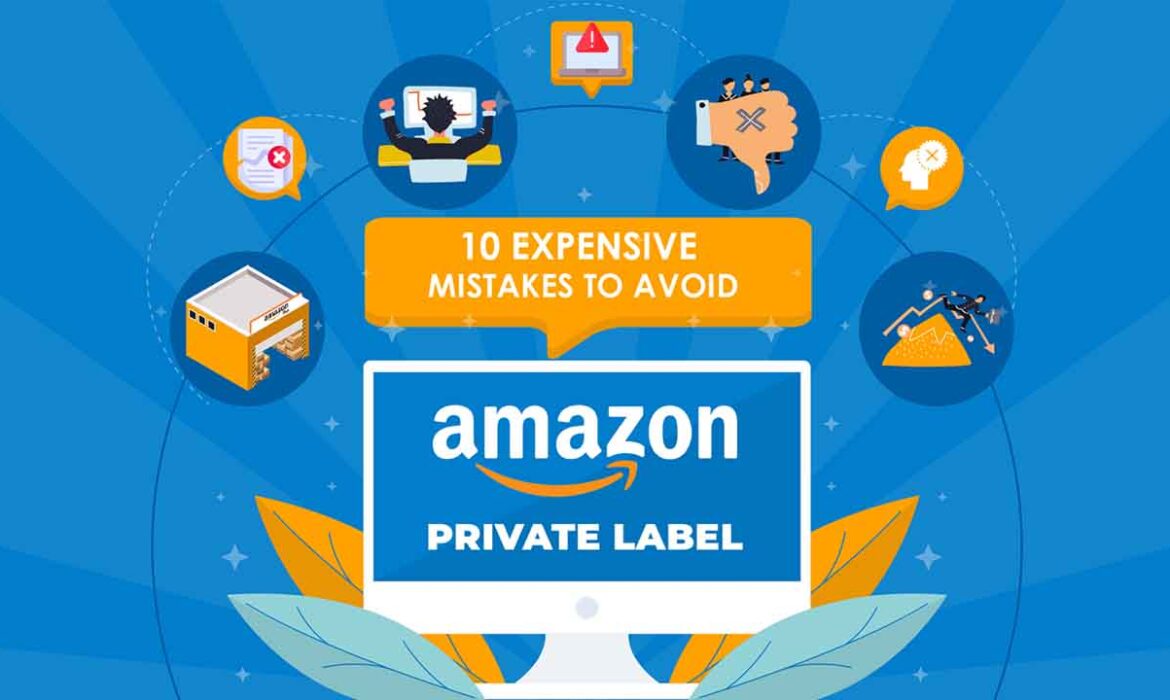
2023 Guide to Amazon FBA Private Label
What is amazon private label?
Amazon Private Label is a program where Amazon sellers can create and sell their own brand of products on the Amazon marketplace. These products are manufactured by third-party manufacturers but are sold under the seller’s own brand name.
Amazon Private Label allows sellers to create their own unique products, set their own prices, and have more control over their business. It also allows sellers to compete with other established brands on the platform.
There are several benefits to using the Amazon Private Label program:
- Increased profitability: By creating and selling your own brand of products, you can increase your profit margins compared to reselling other brands.
- Branding and differentiation: By creating your own brand, you can differentiate yourself from other sellers and build a stronger relationship with your customers.
- Control over product development: With private labeling, you have the ability to design and develop your own products to meet the specific needs of your target market.
- Increased visibility: As a private label seller, you will have the opportunity to have your products featured in Amazon’s search results and on their product detail pages.
How does amazon’s private label work?
Amazon Private Label works by allowing sellers to create and sell their own brand of products on the Amazon marketplace. The process typically involves the following steps.
- Research: products and niches to find opportunities for private labeling.
- Finding a supplier: Find a manufacturer or supplier that can produce the products you want to sell under your own brand.
- Negotiating terms: Once you have found a supplier, you will need to negotiate terms such as price, minimum order quantity, and lead time.
- Branding and packaging: Develop your brand and create packaging for your products.
- Listing products: Create product listings for your private label products on Amazon and optimize them for search.
- Fulfillment: Once an order is placed, the supplier will ship the product directly to the customer.
- Customer service: Respond to customer inquiries and resolve any issues that may arise.
It’s worth noting that Amazon has its own private label program called Amazon Brand Registry, where Amazon itself will be the seller and manufacture the product under its own brand, as well as a program called Amazon Launchpad which helps startups and entrepreneurs to launch their own products, this way they can access Amazon’s customers and resources to grow their businesses.
Is amazon’s private label profitable?
Amazon Private Label can be a profitable business model for sellers, but it also depends on a variety of factors such as the product niche, the competition, and the cost of goods.
- High-demand products: If you can find a product that is in high demand, it increases your chances of making a profit.
- Low competition: If there is low competition in your product niche, it’s easier to establish your brand and gain visibility.
- Low cost of goods: By keeping your cost of goods low, you can increase your profit margins.
- Right pricing: Setting the right price for your product can help you be profitable, it’s important to consider the cost of goods, competition, and market trends.
- Branding and marketing: Building a strong brand and effectively marketing your products can help increase sales and profitability.
Overall, private labeling can be a profitable business model for Amazon sellers, but it requires a significant amount of research, planning, and investment to be successful. It’s important to understand that it’s not a get-rich-quick scheme, it takes time, effort, and patience to see results.
What are the requirements for amazon private label?

- Amazon seller account: To sell on Amazon, you will need to have an Amazon seller account, which allows you to list and sell products on the platform.
- Product Sourcing: You will need to find a supplier that can produce the products you want to sell under your own brand.
- Branding and packaging: You will need to develop your brand and create packaging for your products.
- Product listings: You will need to create product listings for your private label products on Amazon and optimize them for search.
- Fulfillment: You will need to arrange for the fulfillment of your products, which can be done through Amazon’s Fulfillment by Amazon (FBA) program or through a third-party logistics provider.
- Compliance: You need to ensure that your products meet all relevant safety, labeling, and packaging requirements for the countries where you plan to sell.
- Brand protection: You will need to register your brand with Amazon Brand Registry in order to protect your products from infringements and counterfeiting.
- Business registration: Depending on your location, you may need to register your business and obtain any required licenses or permits.
It is important to note that Amazon has its own policies and guidelines that sellers must follow, so it is important to review and understand them before starting a private label business on Amazon.
What is the cost for an amazon private label?
The cost to launch a private label product on Amazon can vary depending on a number of factors, including the type of product, the manufacturer you choose to work with, and the level of branding and packaging you desire. Some costs to consider include:
Product development and prototyping
Product development is the process of creating a new product or improving an existing one. This can include researching customer needs, designing and testing prototypes, and refining the final product. Prototyping is an important part of product development, as it allows for testing and iteration of design ideas before committing to mass production.
If you’re starting from scratch and developing your own product, you’ll need to invest in product development and prototyping. This can include costs for design, materials, and testing.
Manufacturing
Manufacturing is the process of converting raw materials into finished goods through the use of tools, machinery, and labor. This can include assembling component parts, applying finishes, and packaging products for distribution. Manufacturing can take place on a small scale, such as in a workshop, or on a large scale in a factory. Different types of manufacturing include assembly line manufacturing, mass production, and flexible manufacturing.
Once you have a prototype, you’ll need to find a manufacturer to produce your product. The cost of manufacturing can vary greatly depending on the type of product, the quantity you order, and the manufacturer you choose.
Branding and packaging
To create a professional-looking product, you’ll need to invest in branding and packaging. This can include costs for design, printing, and materials.
Proper branding and packaging can help differentiate your product from competitors and make it more attractive to customers.
Some costs associated with branding and packaging include:
- Design: You’ll need to invest in the design of your product packaging and branding elements, such as logos, labels, and packaging graphics. This can include costs for hiring a graphic designer or a design agency.
- Printing: Once you have your design, you’ll need to print the packaging materials and labels. This can include costs for printing, die-cutting, and finishing.
- Materials: The materials you choose for your packaging will also affect the cost. For example, using a more premium material like glass or metal can be more expensive than using plastic.
Inventory and fulfillment
Managing inventory and fulfillment effectively is crucial for the success of any e-commerce business (such as eCommerce Planners), as it ensures that products are always available for purchase and that customers receive their orders in a timely and efficient manner.
You’ll need to purchase inventory and handle the logistics of getting the product to Amazon’s warehouses. The cost of inventory will depend on the quantity you order and the cost of the product and the cost of fulfillment will depend on the size and weight of the product and the location of the warehouse.
Amazon Private Label Revenue
Amazon’s private label business, which includes a wide range of products under its own brand, has been growing in recent years. The company has been expanding its private label offerings in categories such as clothing, home goods, and grocery items.
As of 2021, it is estimated that Amazon’s private label revenue was around $8 billion, although the company does not disclose official figures. This represents a significant portion of Amazon’s overall retail sales, and the company is expected to continue investing in its private label business in the future.
It should be noted that the private label revenue is a small fraction of Amazon’s total revenue, which was $386 billion in 2020.
How To Sell On Amazon?
It is important to note that to sell on Amazon, you’ll need to have an Amazon Seller account, and also to be aware of Amazon’s policies and regulations, such as the Amazon Brand Registry.
In addition, you’ll need to be prepared to invest time and money in product development, marketing, and customer service to be successful.
Keep in mind that private labeling can be very competitive, so it is important to stay on top of trends and customer needs to stay ahead of the competition.
Are You Ready To Launch Private Label Products?
Launching a private-label product on Amazon requires a significant amount of research, planning, and execution. You need to identify a profitable niche, find a reliable supplier, create a brand and packaging, create a listing, and market your product.
Before launching a private label product, it is important to conduct thorough market research to identify a profitable niche, competition, and customer needs. It’s also important to understand Amazon’s policies and regulations and to have a well-executed plan in place.
Keep in mind that launching a private-label product on Amazon is not easy, and it requires a lot of hard work and investment. It’s important to be prepared to invest time and money in product development, marketing, and customer service to be successful.
If you are ready to launch a private label product on Amazon, it is important to have a clear understanding of the steps and resources required, as well as to be prepared for the challenges that you may face along the way.
Happy reading!
How to create PayPal account in Pakistan 2025?
Paypal offers the ease of sending and receiving money online. It is an American company with a well-recognized online payment system. Paypal allows you to shop and buy online through a PayPal account. After covid-19 E-commerce business is on the rise, and now Paypal is becoming increasingly important for freelancers across Pakistan. You can send and receive money in 25 countries using a Paypal account.
Furthermore, Android and Ios apps make it easy for users to operate a Paypal account from their mobile device. In this article, you will come to about How to create a Paypal account in Pakistan.
Additionally, we will discuss how to create a Payoneer account. How will this account assist you in the creation of a Paypal account? Let us discuss the step-by-step process for how to create a Paypal account in Pakistan.
A step-by-step guide about
How to create a Paypal account in Pakistan.
Following are the guidelines to open a Paypal account.
- First, go to the Paypal website.
- Click on the “sign up for free” button.
- Click on the type of account you want to open “business or personal account.
- Click on the Next button.
- Enter a valid email address to verify your account.
- Create a strong password so that your account must be secured.
- Fill out all the necessary information required to open your Paypal account.
- You need to provide a valid residential address of some country where Paypal is active as it does not directly operate in Pakistan.
- After filling in all the necessary information, check your mail to confirm the email address provided earlier.
- Open the mail from Paypal and click on the button stating “Yes this is my email”.After this step, your account will be created automatically on Paypal.
Following these steps will help you with How to create a Paypal account in Pakistan? Let us discuss further steps to make your PayPal account operational.
Payoneer account
As Paypal is not directly operational in Pakistan and it can not be verified unless you provide bank details. Here Payoneer account can assist you. All you need to do is to create a Payoneer account and get a Payoneer credit card. Link your Paypal account to your Payoneer account. This will allow you to have transactions from international clients easily. Now let us discuss how to create a Payoneer account.
- Go to the website
- Click on the signup button.
- Provide a valid email address and a strong password.
- Fill out the complete form by providing all the necessary information required.
- Go to your email box and confirm your email ID to verify your account.

Steps to apply for a Payoneer card
- If you have a bank account then enter your IBAN.
- Create a username and password.
- Choose a security question.
- Provide your CNIC and click the order button.
- You can get your Payoneer card 4 to 5 days after approval.
Steps to activate your Payoneer card
After getting your Payoneer card, activate it by following these simple steps.
- Sign in to your Payoneer account by providing your username and password.
- Click on the button stating “View your status and activate your card”.
- Provide your 16-digit card number and enter a PIN consisting of 4 digits.
- Click on the activate button.
Now you can have transactions from MCB, Faysal bank, Bank Alfalah, or Standard Chartered Bank.
How to connect your Payoneer account with Paypal?
- Log in to your Paypal account and sign in.
- Go to the account summary page and click on the “Link a Bank” button.
- If your bank name is there click on that otherwise you need a bank account number and routing number.
- Visit the Payoneer account and Active US payment service option. Click on the “receive money” button and you will get USA virtual account number and routing number.
- Enter this into your Paypal account.
- After 3-4 days you will receive two small deposits from your Payoneer account to your Paypal account.
After that go to your Paypal account and provide the same amount you received on your Payoneer account to verify your Paypal account.
Benefits of having a Paypal account in Pakistan
We hope these steps will help you in knowing How to open a Paypal account in Pakistan.
Nowadays freelancers from all over the world are using a Paypal account. This account is helping Amazon virtual assistants in Pakistan who are working on different amazon services like Amazon private label, dropshipping, product hunting, and product sourcing. Amazon SEO is helpful to attract buyers to amazon. Keyword search is important in ranking the product.
A PayPal account helps to have flexible payment within 24 hours. You can have secure shopping online and avoid scams as Paypal offers its refund policy. You can track all your transactions easily and show them to your customers.
The transfer to a linked bank account is free of cost and if you want an instant transfer from a linked debit or bank account, Paypal will charge 1 % of the amount transferred with a minimum fee of $10. For online shop owners, Paypal charges 2.9% +0.30% per transaction.
We hope this article will provide you with an easy guide on how to create a Paypal account in Pakistan. The freelance market is growing rapidly and Paypal is playing an important role for aspirant freelancers to have transactions easily.

